
The Double Empathy Problem: Bridging the Gap Between Neuromajorities and Neurominorities
by Charlotte Valeur, Founder of ION, the Institute of Neurodiversity.
Empathy is often viewed as a universal human trait, but in reality, it is not as simple or seamless as we might think. It is easy to empathise with someone who shares our worldview, communication style, and life experiences. However, the ability to understand and connect with those whose minds work differently can be significantly more challenging.
This issue is particularly pronounced in interactions between neuromajority individuals and those who are of neurominority neurotypes, a dynamic best understood through the lens of the Double Empathy Problem.
What is the Double Empathy Problem?
Coined by Dr. Damian Milton in 2012, the Double Empathy Problem refers to a mutual breakdown in understanding between neuromajority individuals and neurominority individuals, such as those who are autistic, ADHD, dyslexic or of other minority neurotypes.
It challenges the traditional view that empathy deficits lie predominantly with neurominorities. Instead, it suggests that both groups may struggle to empathise with each other, not due to a lack of empathy itself but because of their different ways of experiencing and interpreting the world.
The neuromajority view of empathy often assumes that if neurominorities do not communicate in typical ways, they must lack empathy or social understanding. However, neurominorities may have their own forms of empathy, which the neuromajority might not easily recognise. Thus, the failure of empathy is not one-sided but rather a mutual misunderstanding rooted in differences in social norms, communication styles, and cognitive processing.
Empathy Gaps: Neuromajority Perspectives
For neuromajorities, it can be difficult to comprehend the internal experiences of neurominorities. Neuromajorities often rely on nonverbal cues, conversational norms, and social scripts that make interactions predictable. These are often unintentionally invalidated when interacting with neurominorities, whose ways of communicating may be different, direct, or difficult to interpret through neuromajority lenses.
For example, an autistic person may not make eye contact or may focus intently on a specific topic. Neuromajorities, who may interpret these behaviours as disinterest, rudeness, or lack of social engagement, often fail to consider that these might be signs of deep focus or intense interest.
This failure to recognise neurominority social cues creates barriers, not only to connection but to basic understanding.
Moreover, neuromajorities often expect neurominorities to adapt to their communication styles, reinforcing the idea that “neurotypicality” is the standard or “default” state of being. This puts the burden of empathy on neurominorities, who may already struggle with navigating a world designed for neuromajorities.
Empathy Gaps: Neurominority Perspectives
From the neurominority perspective the struggle is equally real, though often experienced differently.
Neurominorities may feel misunderstood or judged for their natural behaviours and responses. Social situations that neuromajorities find easy to navigate may be exhausting, confusing, or distressing for neurominorities. The expectation to conform to neuromajority norms can feel overwhelming, leading to masking, burnout, and mental health challenges.
In many cases, neurominorities may perceive neuromajorities as lacking empathy toward their lived experiences.
For instance, when neuromajorities demand small talk, minimise sensory sensitivities, or ignore hyperfocus, neurominorities may feel invalidated and misunderstood.
The disconnect is often seen as a lack of flexibility on the part of the neuromajority person, who may be unwilling or unable to adapt their own communication style to better align with neurominorities.
This disconnect is not unique to interactions between neurotypes.
The Broader Implications: Empathy Across Differences
While the Double Empathy Problem focuses on the neuromajority-neurominority divide, it has broader implications for empathy across all kinds of social, cultural and cognitive differences. People from minority groups, different socioeconomic backgrounds, or diverse cultural contexts often face similar challenges. This is also often the case between genders as described in books like “Men Are from Mars, Women Are from Venus” by John Gray. It was published in 1992 and explores the differences in communication and emotional needs between men and women.
Individuals in positions of social or economic privilege may struggle to understand the lived experiences of those facing discrimination or poverty. Similarly, people from marginalised groups may perceive a lack of empathy from those who hold privilege and power. This dynamic mirrors the neuromajority-neurominority interaction, where the dominant group sets the standard for what is considered “normal” or “acceptable,” often to the exclusion of other ways of being.
How Can We Bridge the Empathy Gap?
Understanding and addressing the Double Empathy Problem requires effort from both neuromajority and neurominority individuals, but much of the responsibility lies with neuromajority people, given their position of social power and influence. Here are some steps that can help foster empathy across neurotypes:
- Acknowledge Difference: Neuromajority individuals must recognise that neurominorities experience and interpret the world differently to them. These differences are not deficiencies, but variations in human cognition that deserve respect, accommodation and appreciation.
- Learn About Neurodiversity: Education is a powerful tool. The Neuromajority should actively seek to learn more about neurodiversity, challenging assumptions about what constitutes “normal” behaviour and communication.
- Adopt Flexible Communication: Instead of expecting neurominority people to adapt to neuromajority norms, neuromajorities can practice flexibility in communication. This might mean being more explicit in verbal communication, avoiding idiomatic language, or accepting different forms of social interaction.
- Create Inclusive Spaces: Whether in the workplace, schools, or social settings, neuromajorities have the power to create environments that are inclusive of neurominorities ways of being. This could involve adjusting sensory inputs, allowing time for processing, or reframing social expectations.
- Practice Active Empathy: Neuromajorities should make an active effort to empathise with neurominorities by asking questions, listening without judgment, and avoiding assumptions based on their own social experiences.
- Widen “the box”.We can all work together to widen the set written and unwritten rules of what is considered “normal”. We are all human beings inhabiting planet Earth. We, alongside all other species on earth, have developed in ways that nature finds optimal for the survival of the human species. Maybe the historical focus on the “normal human” fitting into a small box has in fact disadvantaged us beyond belief.
There is no better time than NOW to unravel this way and embrace the beautiful and needed diversity of human beings.
Empathy is not a one-size-fits-all trait. The Double Empathy Problem demonstrates that understanding between people of different neurotypes is a two-way street, with all groups facing challenges in empathising with each other. The key to bridging this empathy gap is recognising and embracing neurodiversity as a fundamental aspect of human experience. By moving away from the notion that neurotypicality is the default, we can foster deeper connections, more inclusive communities, and a society where all neurotypes are valued and understood.
Leading on neurodiversity through disruptive times requires a deep sense of empathy, compassion, and understanding across diverse perspectives.
Leaders especially, need to approach others with openness, recognising and respecting their unique experiences and ways of thinking. By doing so they show other people how to be inclusive.
Inclusivity begins when everyone feels welcome and valued—creating space for all voices to be heard, respected, and understood. This approach fosters a collaborative environment, where listening and learning come first, enabling leaders of all neurotypes to guide the world population through change together.
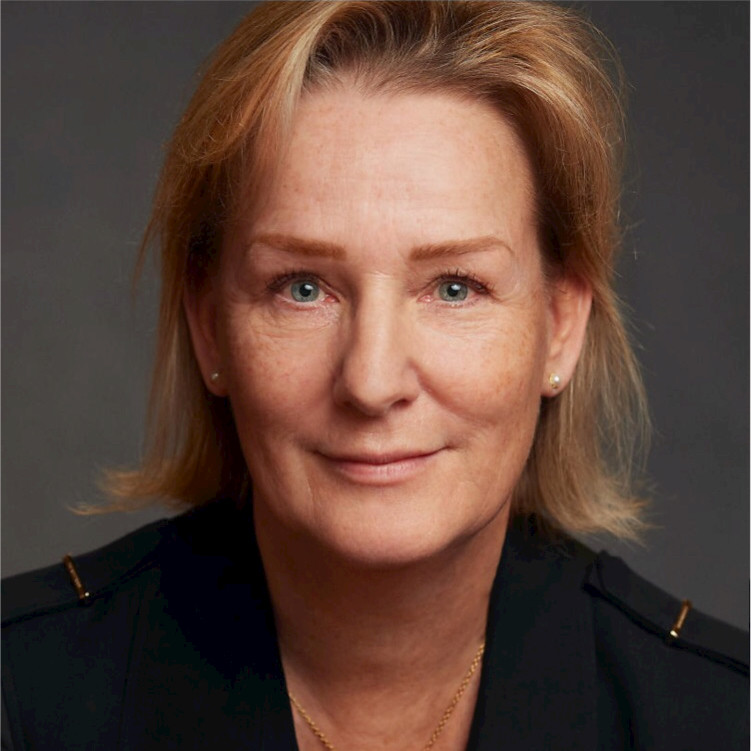
By Charlotte Valeur, Founder of ION, the Institute of Neurodiversity.