
Authenticity: A Neurominority Perspective
by Prof. Charlotte Valeur, Founder of ION
In today’s world, the call for authenticity rings loud and clear. We are encouraged to be true to ourselves, to express our innermost thoughts and feelings, and to live in alignment with our personal values. However, this pursuit of authenticity often comes with a caveat, particularly for neurominorities—individuals whose neurological makeup is different from the typical patterns seen in the majority population.
Neurominorities, such as those with ADHD, autism, dyslexia, dyspraxia, Tourette and other neurotypes, frequently find themselves at a crossroads between expressing their true selves and adhering to the neuromajority’s societal expectations and patterns. This delicate balancing act is where the concept of “Managed Intimacy” becomes particularly relevant.
What is Managed Intimacy?
Managed Intimacy refers to the practice of selectively sharing personal thoughts, feelings, and aspects of one’s identity based on context, relationship dynamics, and potential social consequences. It is pertinent in various “social and family circles” where wanting to be part of those circles, leads to behaviours like deferring own views, contain disagreement, interact in agreeable ways, develop to avoid conflict and mute hostility. Managed Intimacy is about finding a way where one can maintain a level of authenticity without upsetting or overwhelming others or facing undue judgment.
Authenticity vs. Managed Intimacy for Neurominorities
For neuromajorities, being authentic often means openly sharing their thoughts, feelings, and experiences without much fear of misunderstanding or stigma. However, for neurominorities, the journey to authenticity is fraught with additional challenges:
- Misunderstanding and Stigma: Neurominorities often face misunderstandings about their behaviours and communication styles. Authentic self-expression can sometimes be misinterpreted as inappropriate or disruptive, particularly by the neuromajority, who generally expect conformity to their norms and behaviours.
- Social Rejection: Openly displaying neurominority traits can lead to social rejection or isolation, especially from neuromajority individuals who may struggle to accept behaviours that are different from their own. For example any form of stimming, which some of us do to calm ourselves down, can upset some people and we will be told, or even forcefully trained, to stop stimming. This rejection of us as we are is a major barrier to us being able to be authentically ourselves in the broader society.
- Emotional Exhaustion: Constantly managing how one presents themselves can be emotionally and mentally exhausting, leading to a state of burnout for neurominorities. Not being able to be authentically ourselves is also a constant reminder that we are not accepted and appreciated as we are.
Interestingly, when neurominorities come together, I have found that these challenges often diminish or disappear altogether. In such inclusive environments, different ways of socialising and expressing oneself are accepted without judgment. This mutual understanding and acceptance among neurominorities create spaces where authenticity for everyone, both neurominorities and the neuromajority, can flourish without the need for managed intimacy.
Strategies for Balancing Authenticity and Managed Intimacy
Since the world has not yet evolved to be able to accept and appreciate human differences some of us will have to have strategies to manage the balance of being authentic and able to be part of the Managed Intimacy circles.
For neurominorities, navigating this balance involves strategic self-disclosure and self-care practices. Having to do strategic self-disclosure requires significant focus and energy because most of us prefer to be open and transparent in all aspects of life.
- Boundaries: Recognising personal boundaries and the limits of what feels comfortable to share can help manage interactions. Especially when communicating with different neurotypes it is about knowing when and where to reveal certain aspects of oneself. This can be challenging for neurotypes driven by transparency and openness. In intra neurotype communication, especially with neuromajorities, it can unfortunately be beneficial to disclose less rather than more.
- Safe Spaces: Finding or creating safe environments where one can be fully authentic without fear of judgment is crucial. This could be within support groups, online neurominority communities, or trusted friendships, or within neurominority circles where acceptance and appreciation of us as we are is higher.
- Communication Skills: Developing communication strategies that convey authenticity while being mindful of the receiving audience’s perceptions and neurotypes, can aid in reducing misunderstandings. This does unfortunately mean that until society becomes less judgemental, neurominorities can only be fully authentic within our own circles.
- Self-Acceptance: Embracing one’s neurotype(s) and practicing self-compassion is essential. Authenticity begins with self-acceptance, recognising that one’s worth is not diminished by societal misunderstandings. It also begins with accepting that within society there are many different ways of socialising and interacting. It is the degree of xenophobia (fear of differences) that dictates the levels of misunderstandings we meet.
Does Authenticity Only Apply to the Neuromajority?
The question arises: Is the call for authenticity primarily directed at the neuromajority? While societal norms are broadly tailored to neurotypical expressions of authenticity, it is vital to broaden our understanding and appreciation of differences, to include different neuro type’s experiences.
Authenticity should be about the genuine expression of one’s identity, regardless of neurological makeup. For this to be inclusive, society needs to:
- Educate and Sensitise: Increase awareness and understanding of different neurominoritie’s experiences to reduce stigma and foster acceptance.
- Promote Inclusivity: Create spaces where diverse expressions of authenticity are valued and respected.
- Support Flexibility: Encourage environments that adapt to the needs of neurominorities, allowing for different forms of self-expression.
- Teach the children: Inclusive learning from an early age, where all neurotypes learn together, will teach children to appreciate all human differences. Children with no awareness will grow up to be adults with no awareness. Part of school curriculums everywhere should be about appreciation of the wide range of human differences.
Conclusion
Being authentic while observing Managed Intimacy is a nuanced practice for neurominorities. This is especially true in environments with inflexible social rules set by one group, to the exclusion of other groups with different social interaction. It involves a careful balance between self-expression and social navigation.
Authenticity should not be a privilege reserved for the neuromajority but a universal right that accommodates the rich diversity of human experience. By fostering a more inclusive society, we can create a world where everyone, regardless of neurological makeup, can be their true selves without fear or compromise. In communities of neurominorities, where acceptance and understanding are the norms, this balance becomes easier, illustrating the potential for broader societal change.
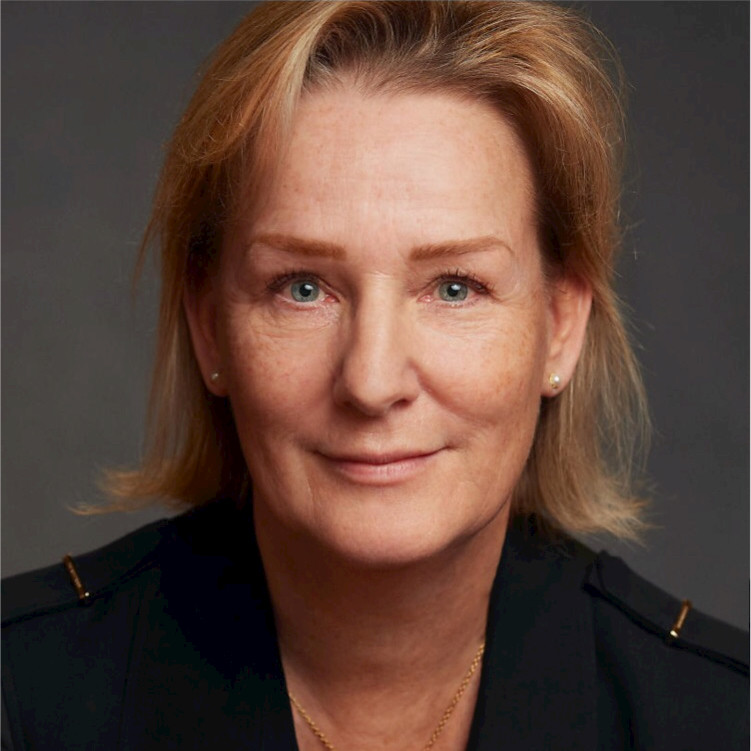
By Charlotte Valeur, Founder of ION, the Institute of Neurodiversity.