
At 48 years old, I find myself learning how to live a life I thought I already understood. I have been a mother, a wife, a filmmaker, a writer, a teacher and a woman who believed she knew herself reasonably well. I had navigated relationships, careers, motherhood and the everyday complexities of being human. Surely, by this point, I had life figured out? Apparently not.
Receiving an autism diagnosis later in life is a rather extraordinary experience. I spent decades following a set of instructions, only to discover everyone else was given a different manual. Suddenly, the things I struggled with made sense. Unfortunately, nobody handed me the missing chapters.
My diagnosis came after a period of profound grief. Losing my beloved service dog, my companion of thirteen years, unravelled something within me. My response to that loss seemed difficult for others to understand, and eventually it led me towards understanding something much bigger about myself. I wasn’t becoming someone different. I was discovering who I had always been.
But here’s the part nobody really prepares you for. Understanding yourself doesn’t automatically mean knowing how to live differently.
For decades, I had developed systems to navigate a world that often felt unnecessarily complicated. I learned to accommodate other people’s expectations, interpret confusing social interactions and push through situations that left me exhausted. I assumed everyone experienced life this way. Now I understand that much of that exhaustion came from constantly translating the world around me.
A simple question like “How are you?” can require an extraordinary amount of processing. Are you asking about my emotional wellbeing, physical health or how my morning has been? And how much honesty are you actually prepared to receive? Apparently, “fine” is often the preferred answer. Who knew?
Understanding my autism has given me permission to question things I previously accepted without hesitation. Why must I attend an event that overwhelms me? Why is needing quiet considered antisocial? Why should setting a boundary require an apology? Yet learning to honour those needs is surprisingly difficult when you’ve spent a lifetime ignoring them.
There is also grief in a late diagnosis. Grief for the younger woman who thought she was too sensitive, too complicated or simply not trying hard enough. For the relationships misunderstood and the countless moments spent wondering why ordinary things seemed so difficult. But alongside that grief comes something rather wonderful. Freedom.
I’m learning that boundaries aren’t rejection. Rest isn’t laziness. Being direct isn’t unkind. And needing time alone doesn’t mean I love people any less.
I’m also learning that understanding myself doesn’t remove my responsibility towards others. My autism can explain my reactions, but it doesn’t mean I stop reflecting on them. Relationships still require compassion, communication and compromise. The difference is that I can now participate without continually abandoning myself.
Some days I manage this beautifully. Other days I find myself explaining why I need silence while simultaneously becoming overwhelmed by the conversation about needing silence. Progress, it seems, isn’t always graceful.
I used to believe that growing older meant becoming increasingly certain of who we are. Now I wonder whether the real gift of age is becoming brave enough to question everything we thought we knew.
I’m not starting my life again because the first half was a mistake. I’m beginning a new chapter with a greater understanding of the woman who lived it.
At 48, I don’t have all the answers. But for the first time, I’m learning to ask myself the right questions. And perhaps that’s where living authentically begins.
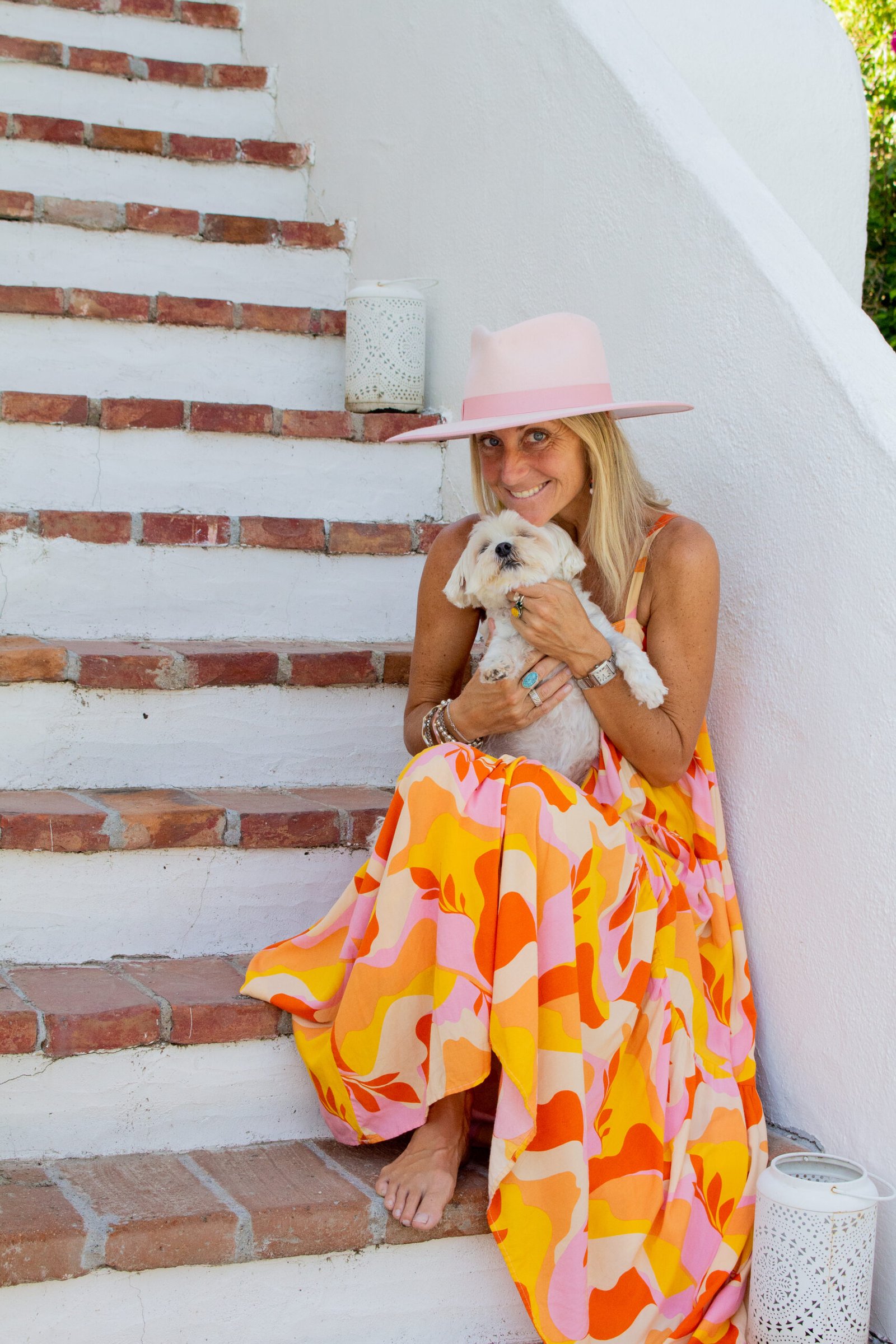
Thank you to Elizabeth Blake-Thomas for sharing her story