
If 2025 was the year neurodiversity gained visibility, let’s make 2026 the year we start seeing it differently. Not just as a diagnosis, but as a fundamental part of what it means to be human. Not simply something to accommodate, but something to value – deeply and deliberately. And not only in individuals, but in the systems, teams, and societies we choose to build.
Yes, What could we achieve when we go beyond considering neurodiversity in terms of “us and them” – but as being about all of us?
For me, this shift is profound. Like many others, I discovered my neurodivergent traits in the midst of suffering workplace burnout. It came as both a shock and a relief not least because it now many it helped ‘make sense’. It helped me realise that my intensity, empathy, creative leaps, and struggle with certain kinds of structure weren’t signs of failure. They are an important part of how I’m wired. And I’m not alone.
In fact the more I listen to clients, colleagues, and read the latest psychology and neuroscience research, the more I realise that neurodiversity isn’t a niche issue – it’s a shared one. Every brain is different. And we’re increasingly coming to understand that what we call neurodivergence is often just human variation that doesn’t conform to narrow norms.
So maybe the real myth is “normal.”
From Minorities to Mindsets
Yes, some of us carry diagnoses. Some don’t. But for many of us with ways of thinking or feeling don’t easily “fit”, the challenge is not our ability. It’s about being recognised, supported, and given the permission to be ourselves. Too often, we’re left trying to thrive in environments not built for us.
I understand that deeply. And yet, as a professional coach, I also believe this: we all have a role to play in our own becoming. Not to change who we are, but to claim it. But we have to accept that we don’t have time to wait around for perfect systems – in fact we have a responsibility to help redesign them.
To me the goal isn’t just to feel included. It’s to contribute fully.
And that requires others to believe in us – especially when we’re not sure we believe in ourselves.
Coaching and Curiosity
That’s one reason why coaching has become so central to my work. In a world that all too often demands conformity, coaching opens up a space for us to find clarity, courage, and ownership. And its exciting to see what happens when people do feel seen, valued and have the confidence to strive to reach their full potential.
Of course as any change management expert will tell you, organisations don’t change by introducing diversity checklists. They have to make intentional efforts to live their values – not just occaisionally – but constantly. But the good news is that when leaders are brave enough to choose curiosity and create safety over control, it is possible to create workplaces where embracing difference opens up deeper human connection, increased productivity and innovation, and better results.
We don’t need more awareness campaigns. Instead we need to redesign the way we measure performance, run meetings, recruit, train, and lead people.
And it starts by asking better questions. For example, instead of asking “Will this person fit in?” we can ask “What might they help develop in us?”
The Kindness We Undervalue
If there’s one quality I wish we valued more in our fracturing world, it’s kindness. Not as a soft add-on, but as a vital force. Not only does kindness increase safety, but it’s an important precondition for our own and others growth.
That’s because inclusion isn’t only about access. It’s about atmosphere.
And in a world that moves fast, judges quickly, and often misunderstands, kindness can be a radical act.
It’s what allows people to unmask, try, and trust themselves again.
But it’s not only something we need to offer others. It’s something we need to offer ourselves. Especially for those of us who’ve spent years feeling “too much,” “not enough,” or simply “wrong.”
2026 and Seizing The Opportunity
So what if we make 2026 the year we stop asking who’s neurodivergent and start asking: “what kind of world would support all kinds of minds?”
What would it look like to stop fixing people – and start fixing the environments around them?
Neurodiversity is not a deviation from the norm. It is the truth of how human minds vary.
When we understand that, not just with insight, but also with belief, we don’t just change lives.
We change the world.
Thinking differently isn’t the problem. It’s the untapped edge – and opportunity – that we’ve all been waiting for.
Author: Susan Mackay
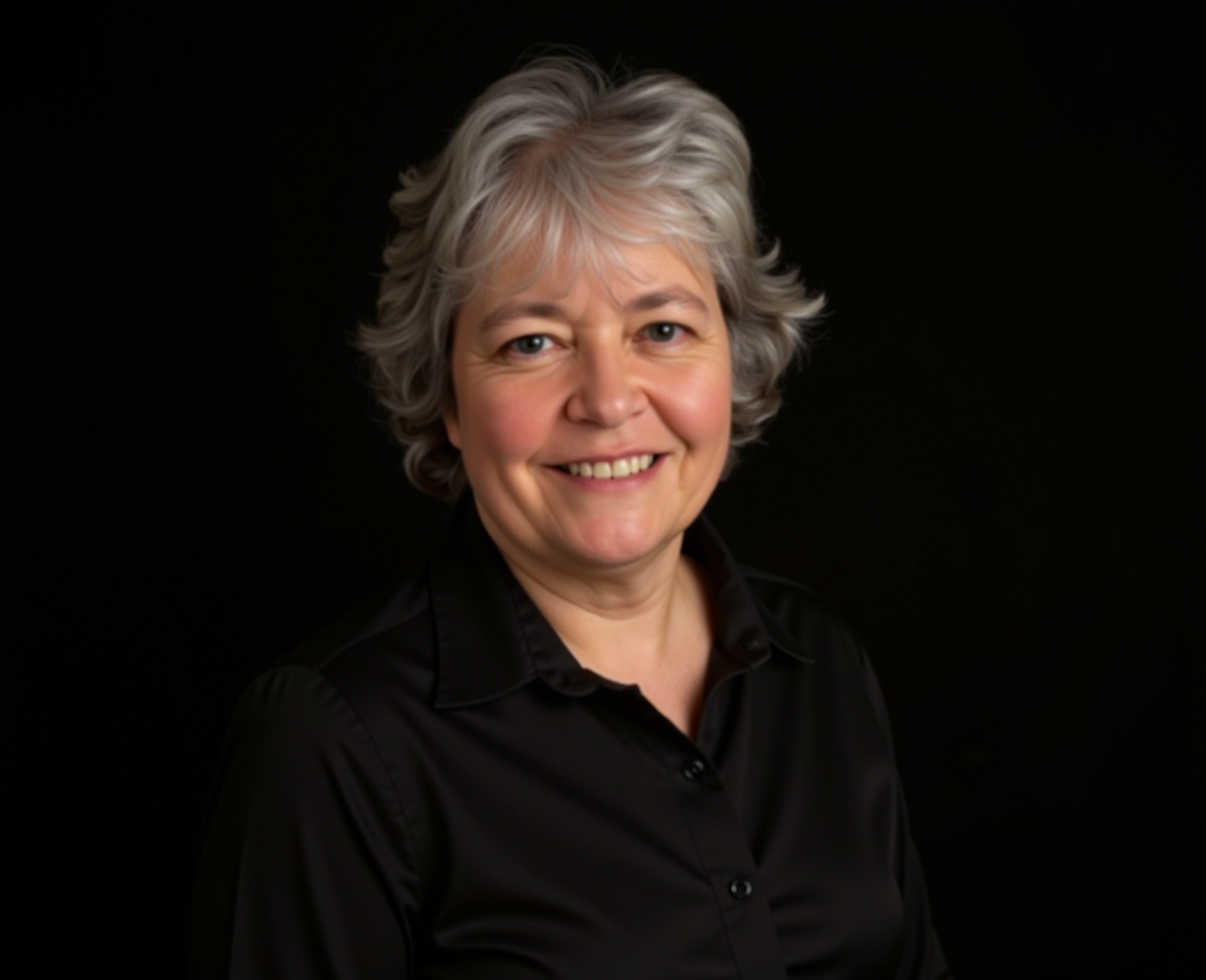
With over 20 years of experience in empowering, coaching, and mobilizing for social change, Susan Mackay is a catalyst, coach, and changemaker who has worked in more than 40 countries to spark positive and meaningful change. Specialising in neurodiversity and inclusion, she is an internationally certified individual and Team Transformation Professional Coach and a certified facilitator in various methods, including LEGO® SERIOUS PLAY® and Human-Centered Design. Susan employs creative approaches to help individuals, families, and professional teams co-create their vision and action plans. Her rich cross-cultural experience includes senior roles at Gavi, the Vaccine Alliance, UNICEF, WHO, and the BBC, where she led impactful initiatives and built effective global partnerships.
