
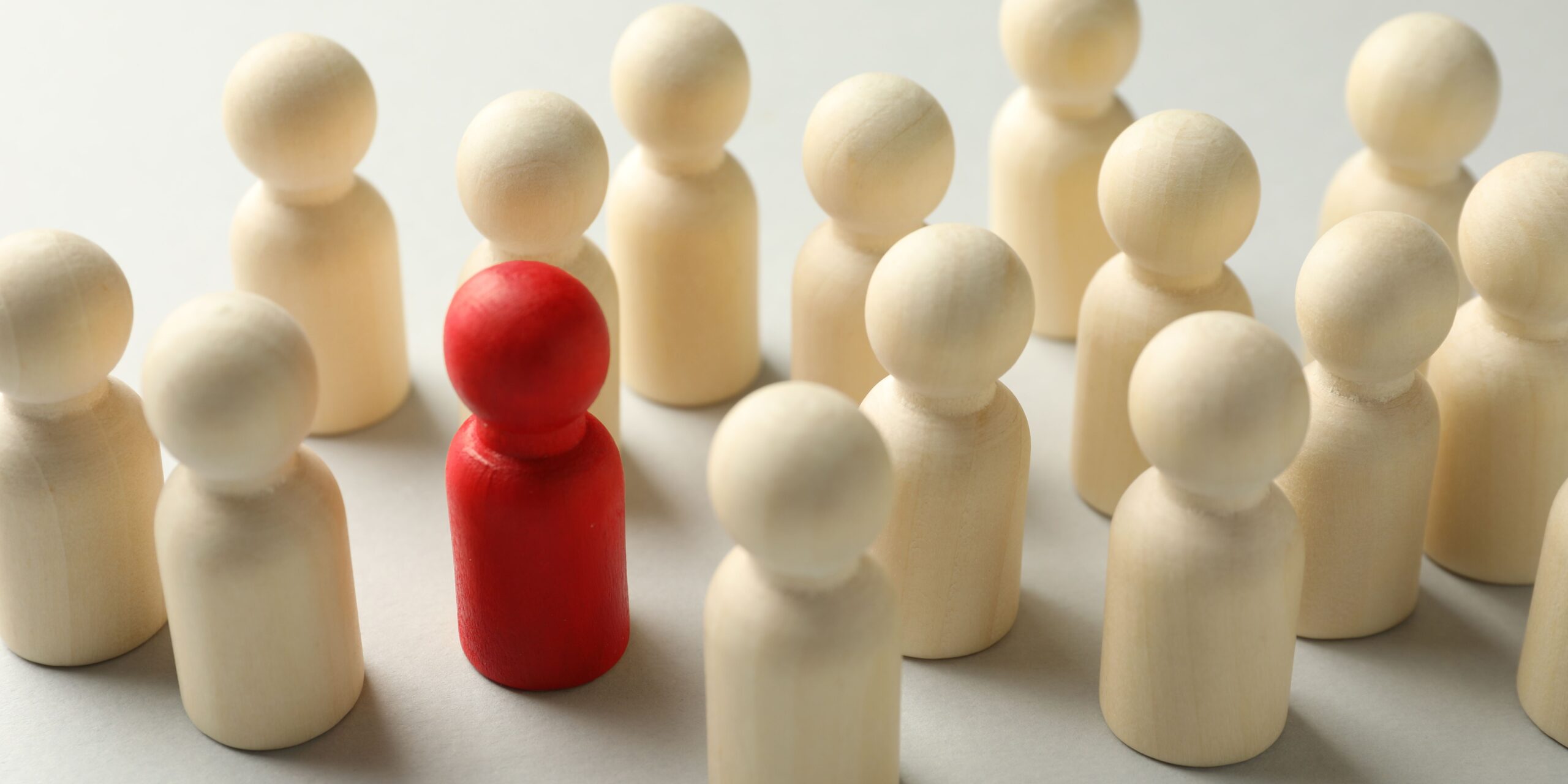
“Neurodivergent people aren’t the problem. They reveal the problem.” – Dr. Ludmila Praslova
Inclusion efforts often start with the question: “How can we support neurodivergent colleagues?” It’s well-intentioned, but increasingly, I believe it’s the wrong question.
Framed this way, difference becomes a disruption, something to manage, accommodate, or correct. But what if we flipped the lens? What if we asked: “What are we missing when we build systems for sameness? What could difference help us design better?”
That was the provocation I brought to a recent neuroinclusive leadership session. Many in the room had neurodivergent team members or were neurodivergent themselves. But few had considered those differences not as risks, but as resources.
That’s the mindset shift. Or as the great leadership thinker, Susan Goldsworthy would describe it, the critical mind shift that inclusion really needs.
From Pathology to Spiky Profiles
Too often, we still medicalize cognitive difference. Attributes like intensity, distractibility, or sensory sensitivity are pathologized – listed in diagnostic manuals or flagged in performance reviews, instead of understood as part of a person’s unique cognitive profile. As ADHD expert Dr. Ned Hallowell warns: “A kidney doesn’t mind being told it’s sick. A mind does.”
The message many neurodivergent people receive – implicitly and explicitly – is that they’re too much or not enough. But when we shift from a disorder lens to a diversity lens, a more subtle picture emerges.
Enter the ‘spiky profile’, a jagged mix of strengths and struggles, where brilliance and overwhelm often co-exist. Rather than a flaw, it’s a human design feature that’s far more common than we realize.
Professor Francesca Happé recently suggested that, among younger generations, neurodivergence may now be the norm, not by diagnosis but by self-identification. As awareness increases, more people are recognizing their brains work differently and claiming that difference.
As Generation Z increasingly reshapes the workforce, inclusion can’t rely on labels or disclosure. It must be baked into how we lead, design, and relate.
Difference as Design Input
Once we stop assuming all brains should work the same way, a more helpful question appears. “What kinds of minds thrive here?”
In our session, we explored how friction in teams often signals cultural or structural issues rather than personal ones. One participant said, “Looking at neurodiversity like biodiversity makes so much sense.” Diverse ecosystems are more adaptive. So too are teams if those differences are supported rather than erased.
Universal design shows us the way. Originally developed for accessibility, it turns out ramps, captions, and quiet zones help everyone. The same is true for flexible communication styles, sensory-aware spaces, and alternative ways of collaborating. These aren’t special accommodations, they’re smarter design.
Belonging Without Disclosure
A 2023 UK study found 65% of neurodivergent employees feared discrimination from managers, and 55% from colleagues. Only 18% of managers feel equipped to support them.
That’s not a gap. It’s a gulf.
It also explains why so many choose not to disclose. This is not out of denial, but self-protection. Instead, they mask by hiding traits, overcompensating, and performing “professionalism” at great personal cost. Recent studies link masking to increased anxiety, reduced job satisfaction, and higher burnout, with minority employees reporting significantly higher rates of emotional exhaustion than their peers.
Belonging cannot rely on brave disclosures. It must be baked into the culture, through norms, curiosity, and systems that value difference, whether it’s named or not.
Inclusion isn’t a checklist. It’s a way of being.
The Signal in the Noise
As Dr. Maureen Dunne says, “Neurodivergent individuals are the signal in the noise.”
In a world over-optimized for ‘fitting in’, we urgently need more signal.
And we need it now, because as AI reshapes the workplace, the value of human contribution is shifting. Machines are already automating the standardized and predictable. But the value of human thinking is shifting toward what’s much harder to code: moral judgment, creative insight, deep systems thinking, at least the kind that requires context, empathy, and lived experience.
Those strengths often live in the minds least likely to “fit.” But they only surface when environments are built to recognize and nurture them, rather than flatten them out.
So, let’s stop asking “How do we fix what’s different?” and start asking “What perspectives are we missing – and how do we make space for them?”
Because when we truly listen, what we hear isn’t dysfunction. It’s critical design guidance.
Inclusion isn’t about making room at the edges. It’s about redesigning the core so that no one must shrink, mask, or wait their turn to be heard.
Possibility Thinking
So, here’s your invitation:
If you lead, listen differently.
If you coach, ask braver questions.
If you build systems, design for those that don’t fit the mold.
Inclusion isn’t an optional extra. It’s how we build the future, if we’re brave enough to think and act differently.
_________________________
References
Praslova, L. (2024). The Canary Code: A Guide to Neurodiversity, Dignity, and Intersectional Belonging at Work.
Hallowell, E. M., & Ratey, J. J. (2005). Delivered from Distraction: Getting the Most out of Life with Attention Deficit Disorder. Ballantine Books.
Happé, F. (2025). Interview/commentary reported in The Times (UK) on rising self-identification of neurodivergence.
Birkbeck, University of London and Neurodiversity in Business (NiB). (2024). Neurodiversity at Work Research Report 2023.
Hull, L., Petrides, K. V., Allison, C., Smith, P., Baron‑Cohen, S., Lai, M‑C., & Mandy, W. (2017).“Putting on My Best Normal”: Social Camouflaging in Adults with Autism Spectrum Conditions. Journal of Autism and Developmental Disorders.
Dunne, M. (2024). The Neurodiversity Edge: The Essential Guide to Embracing Autism, ADHD, Dyslexia, and Other Neurological Differences for Any Organization.
The Author
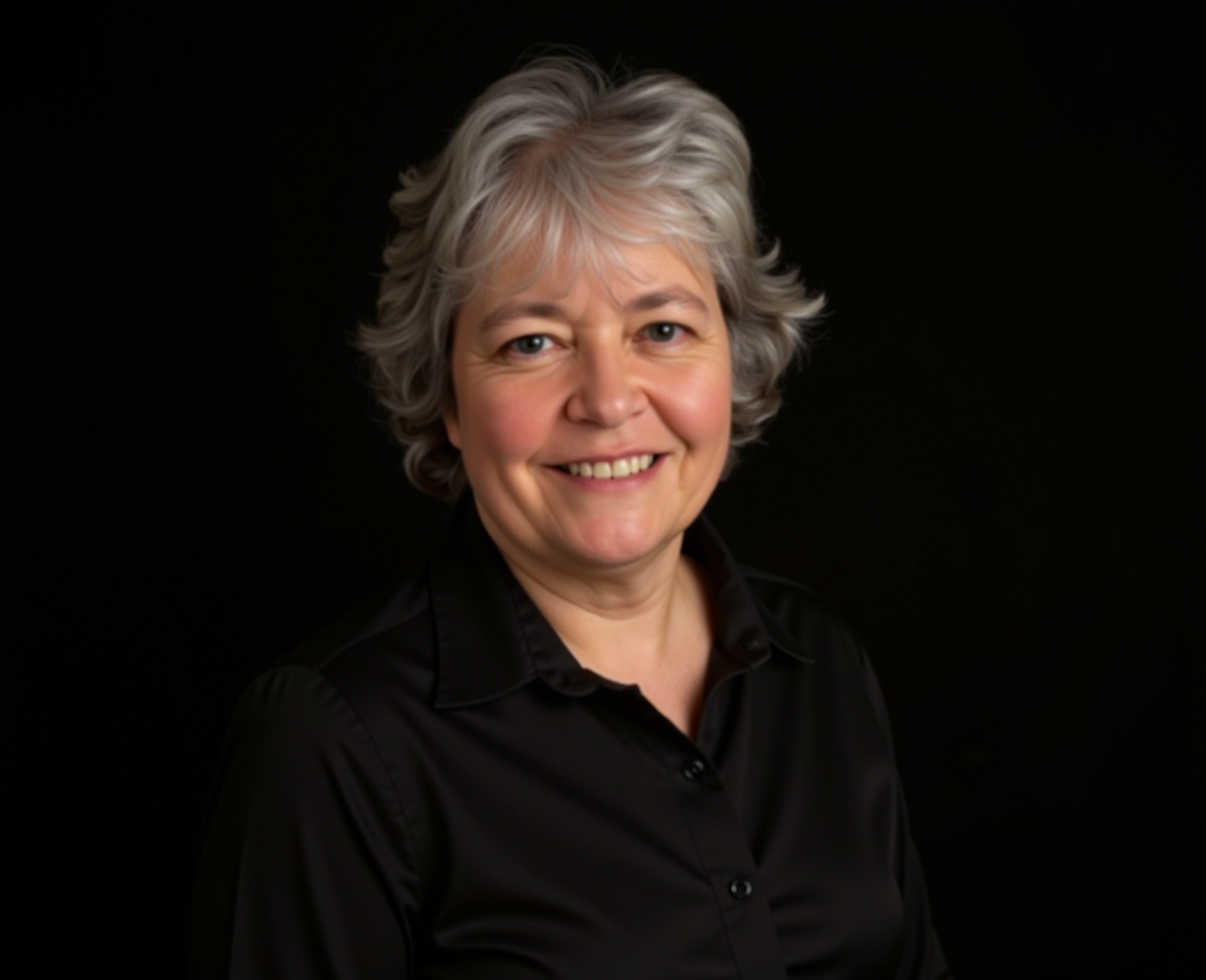
Susan Mackay
With over 20 years of experience in empowering, coaching, and mobilizing for social change, Susan Mackay is a catalyst, coach, and changemaker who has worked in more than 40 countries to spark positive and meaningful change. Specialising in neurodiversity and inclusion, she is an internationally certified individual and Team Transformation Professional Coach and a certified facilitator in various methods, including LEGO® SERIOUS PLAY® and Human-Centered Design. Susan employs creative approaches to help individuals, families, and professional teams co-create their vision and action plans. Her rich cross-cultural experience includes senior roles at Gavi, the Vaccine Alliance, UNICEF, WHO, and the BBC, where she led impactful initiatives and built effective global partnerships.