
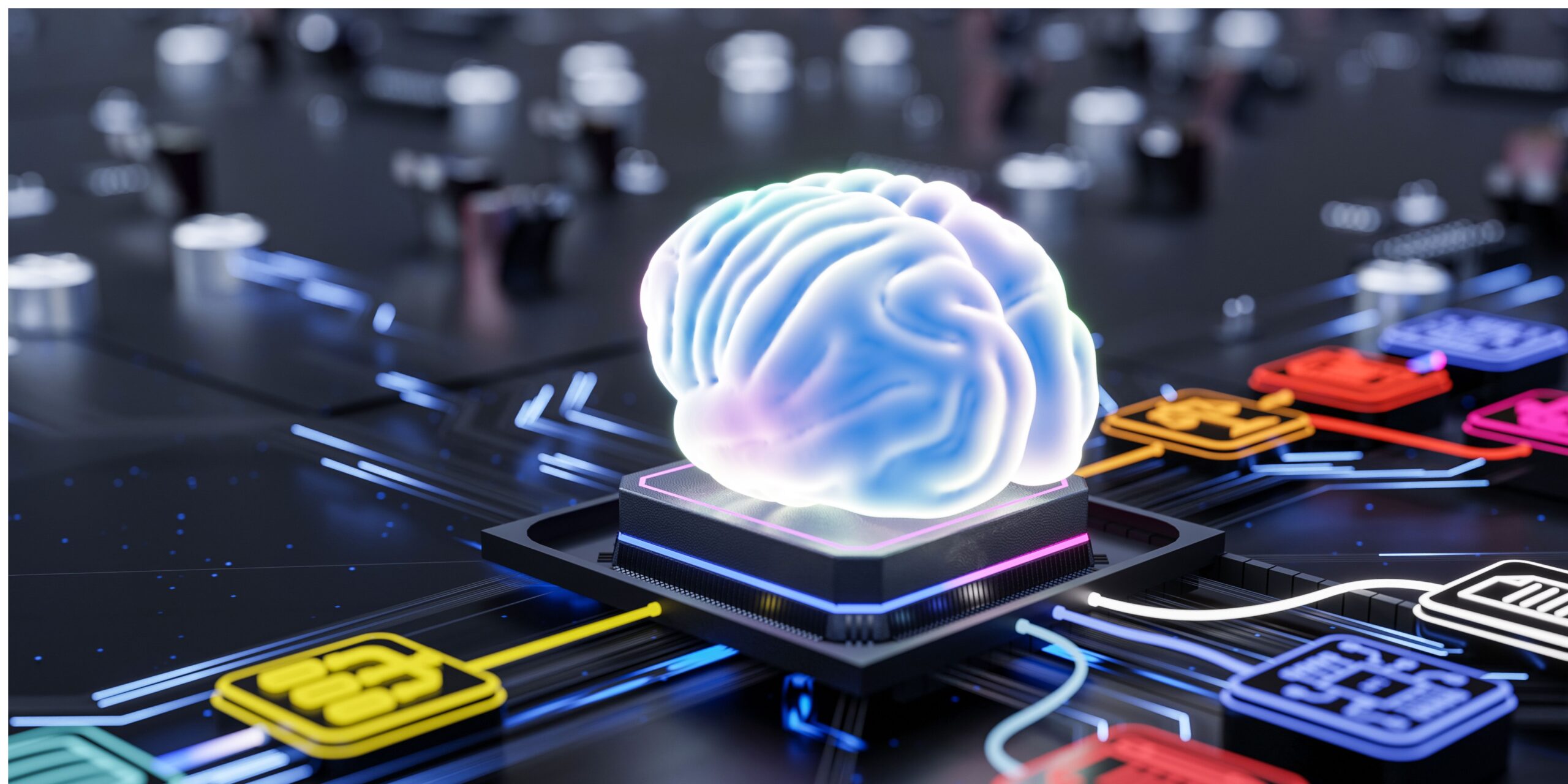
Why Embracing Neurodiversity May Hold the Key to Retaining the Human Advantage
Burnout is rising, mental health is deteriorating, and trust in institutions is eroding. At the same time, technological change is accelerating at a pace few of us feel fully prepared for.
Meanwhile, the challenges humanity faces – from climate change to political instability – are becoming ever more complex and interconnected.
In a world that feels increasingly fragile, we need to rethink human potential itself. Are we overlooking one of our greatest assets – the natural diversity of the human mind?
Each year, Neurodiversity Celebration Week invites us to recognize and value different ways of thinking. That conversation is long overdue. But given the challenges ahead, we may still be framing it too narrowly.
Instead of asking how we better include neurodivergent individuals in our schools and workplaces, perhaps the more urgent question is: how do we design systems where cognitive diversity strengthens the human advantage?
Rethinking the “Typical” Mind
For decades, schools, workplaces, and institutions have been built around a narrow model of the “typical” mind, one that is linear, consistent, socially intuitive, and comfortable within standard structures. Those who diverge from that model have often been labelled disordered, difficult, or even disabled.
Yet neuroscience tells a different story. Human brains vary enormously in how they process information, focus attention, experience emotion, and generate ideas. No two brains are alike.
Increasingly, we are recognising that the idea of a “typical” cognitive profile is largely a myth.
Of course, once we recognise that there is no such thing as a “typical” mind, the way we interpret difference begins to change.
When Systems and Minds Don’t Align
Traits associated with neurodivergence, including ADHD, autism, dyslexia, and dyspraxia, are most often considered to be deficits. Yet these same traits also come with valuable cognitive strengths.
Some neurominority minds excel at deep focus and analytical thinking. Others detect patterns or signals that others can’t see. Some bring creativity or empathy or approach problems from entirely new angles. Under the right conditions, these differences can be enormous assets.
Constant multitasking, rigid schedules, sensory overload, and high levels of social performance quickly become sources of strain.
Many workplace challenges arise not from a lack of individual capability but from a more fundamental mismatch between minds and systems.
The Hidden Cost of Masking
Research from the University of Cambridge has shown that many neurodivergent people engage in “masking” or suppressing natural behaviours to “fit in”. This is a process linked to cognitive exhaustion, anxiety and declining mental health.
Many of the behavioural or emotional difficulties surfacing in workplaces today are predictable responses of human nervous systems pushed beyond healthy limits. Yet individuals are frequently blamed.
But as soon as we shift our perception of neurominority individuals being “the problem” we create the possibility to identify where systems are failing.
Fix the Mine, Not the Canary
Dr. Ludmilla Praslova explains this using a vivid metaphor: neurominorities are like canaries in a coal mine. When environments become unhealthy, they sense it first.
The problem isn’t the canary. It’s the mine.
Indeed, the same pressures that overwhelm neurodivergent individuals: unclear expectations, constant interruptions, sensory overload, strict schedules, and social performance demands are stressful for many employees. It’s simply that neurominorities reach those limits faster.
Assuming that this is simply a lack of resilience is a common mistake. The truth is that many neurominorities have developed extraordinary resilience through navigating systems that were not designed with their needs in mind.
And once we shift our thinking, neurodiverse experiences can help build an early warning system to detect environmental stressors long before systems fail. So rather than silencing the alarm we have an opportunity to fix the unhealthy conditions that triggered it.
What we do know is that when organizations design workspaces with cognitive diversity in mind, the benefits go far beyond neurominority employees. Clearer communication improves teamwork, flexible work arrangements increase productivity and psychological safety deepens collaboration.
Designing for cognitive diversity creates healthier systems for everyone.
Seizing Disruption as an Opportunity
Most organisations still approach neurodiversity in terms of supporting individuals who struggle to fit existing norms. But a more ambitious question is this: How might our systems perform if we design them for a wider range of minds?
Artificial intelligence is already forcing schools, universities, and workplaces to rethink how work gets done. That disruption creates a rare opportunity: If we are redesigning systems anyway, why not design them around how human cognition actually works?
Schools could move beyond rigid learning models that reward only certain types of attention. Recruitment could focus on capability rather than social performance. Workplaces could reduce cognitive overload through clearer expectations, better collaboration, and greater flexibility.
These changes are not simply about fairness. They improve effectiveness.
Evidence consistently shows that cognitively diverse teams outperform more uniform groups in problem-solving, innovation, and decision-making. But diversity alone is not enough. Without psychological safety and supportive environments, cognitive diversity can easily lead to stress, misunderstanding, and conflict.
When the conditions are right, however, something powerful emerges: collaborative intelligence – the ability of diverse minds to think better together than any one mind could alone. Sometimes described as We-Q, this collective capacity may become one of humanity’s most important advantages in an age of intelligent machines.
Human Intelligence in the Age of AI
Artificial intelligence is also reshaping how we think about intelligence itself.
As machines increasingly handle routine cognitive tasks such as analysing data, generating reports, and automating workflows, the uniquely human dimensions of intelligence become more valuable. Creativity, empathy, non-linear thinking, pattern recognition, and moral judgement are still difficult for machines to replicate.
Many of these strengths are associated with neurodivergent ways of thinking, particularly when individuals work in environments that support, rather than suppress, their cognitive style.
But unlocking this potential requires more than awareness. It requires us to build systems that manage cognitive strain and allow different kinds of minds to play to their strengths.
Where to Start?
If we want human intelligence to remain our greatest advantage in an AI-driven world, it’s time to begin redesigning the environments in which we learn, work, and lead.
For example:
- designing workflows and inclusive collaboration that optimise cognition
- questioning rigid assumptions about attention and productivity
- maintaining psychological safety so different thinking styles are valued
- creating education and recruitment systems that embrace diverse strengths
Even small shifts in how schools and workplaces are designed could unlock enormous human potential.
The Human Advantage
In an increasingly AI-driven world, our advantage will not lie in competing with machines at what they do best. Machines can already analyse vast amounts of data, detect patterns, and even connect ideas. But they cannot show empathy, exercise moral judgement, or build the trust required for people to work together across difference.
When diverse human minds come together and combine their strengths, something powerful emerges: the ability to think better together than any one of us could alone. The future of human intelligence may depend less on individual brilliance and more on our collective capacity to collaborate, learn from difference, and build systems where all kinds of minds can thrive.
Does our future depend on how well we learn to think together?
References:
Hull, L., Petrides, K. V., Allison, C., et al. (2017). “Putting on My Best Normal”: Social Camouflaging in Adults with Autism Spectrum Conditions. Journal of Autism and Developmental Disorders.
Praslova, L. (2024). The Canary Code: A Guide to Neurodiversity, Dignity, and Intersectional Belonging at Work. Oakland, CA: Berrett-Koehler.
Austin, R. D., & Pisano, G. P. (2017). Neurodiversity as a Competitive Advantage. Harvard Business Review.
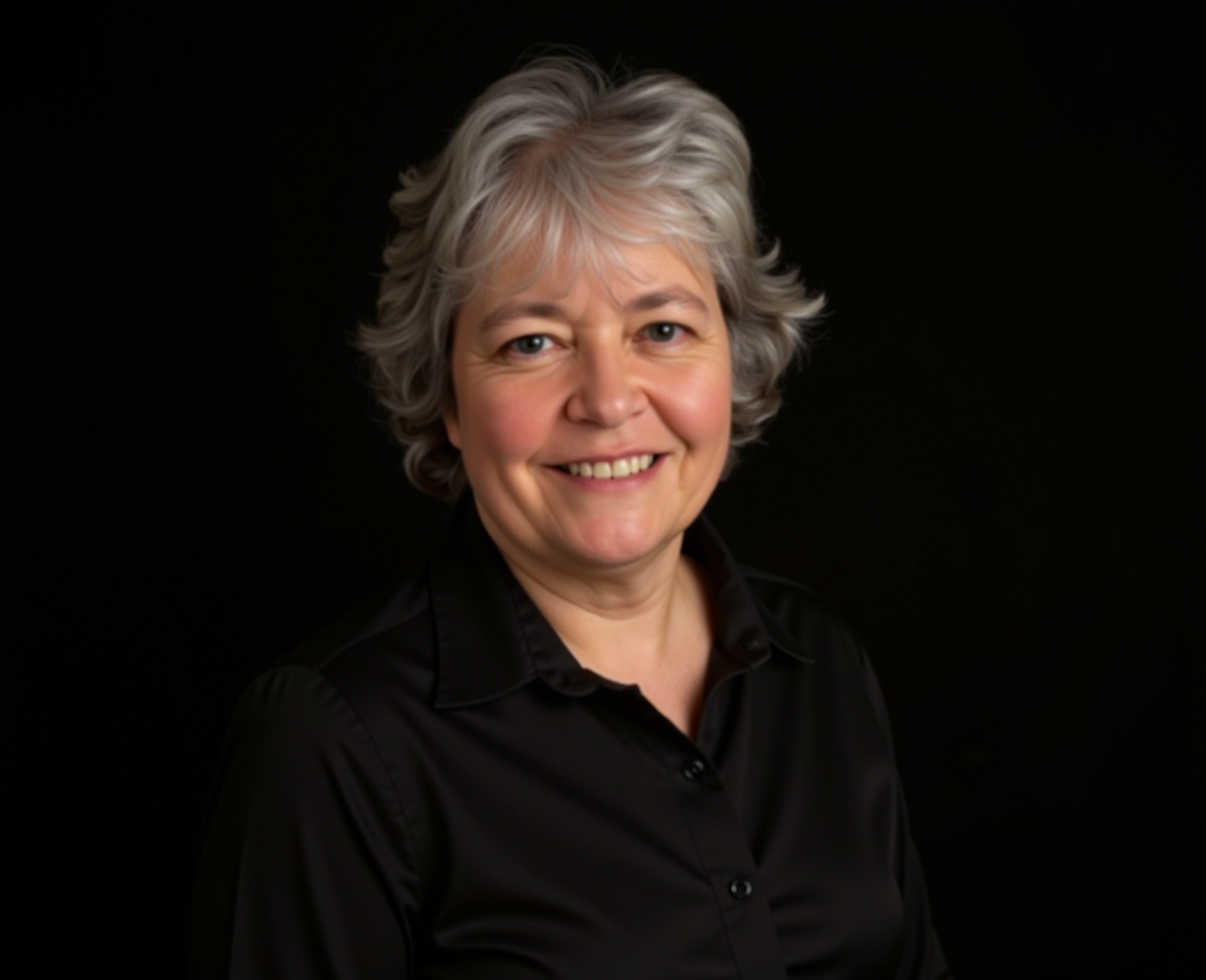
AUTHOR
Susan Mackay
With over 20 years of experience in empowering, coaching, and mobilizing for social change, Susan Mackay is a catalyst, coach, and changemaker who has worked in more than 40 countries to spark positive and meaningful change. Specialising in neurodiversity and inclusion, she is an internationally certified individual and Team Transformation Professional Coach and a certified facilitator in various methods, including LEGO® SERIOUS PLAY® and Human-Centered Design. Susan employs creative approaches to help individuals, families, and professional teams co-create their vision and action plans. Her rich cross-cultural experience includes senior roles at Gavi, the Vaccine Alliance, UNICEF, WHO, and the BBC, where she led impactful initiatives and built effective global partnerships.