Penned by Warren Sheldon Humphries, Strategic Advisor, Institute of Neurodiversity Singapore
There are moments in our lives that become more than memories. They become milestones , reminders of how far we have travelled, who travelled alongside us, and why representation matters.
For me, National Day Parade 2026 , NDP61 , became one of those moments.
When I first received an unexpected email in March inviting me to be part of the NDP journey,
I wondered what an email from our Singapore Ministry of Defence also known as MINDEF was doing in my inbox.
What followed was something I could never have imagined.
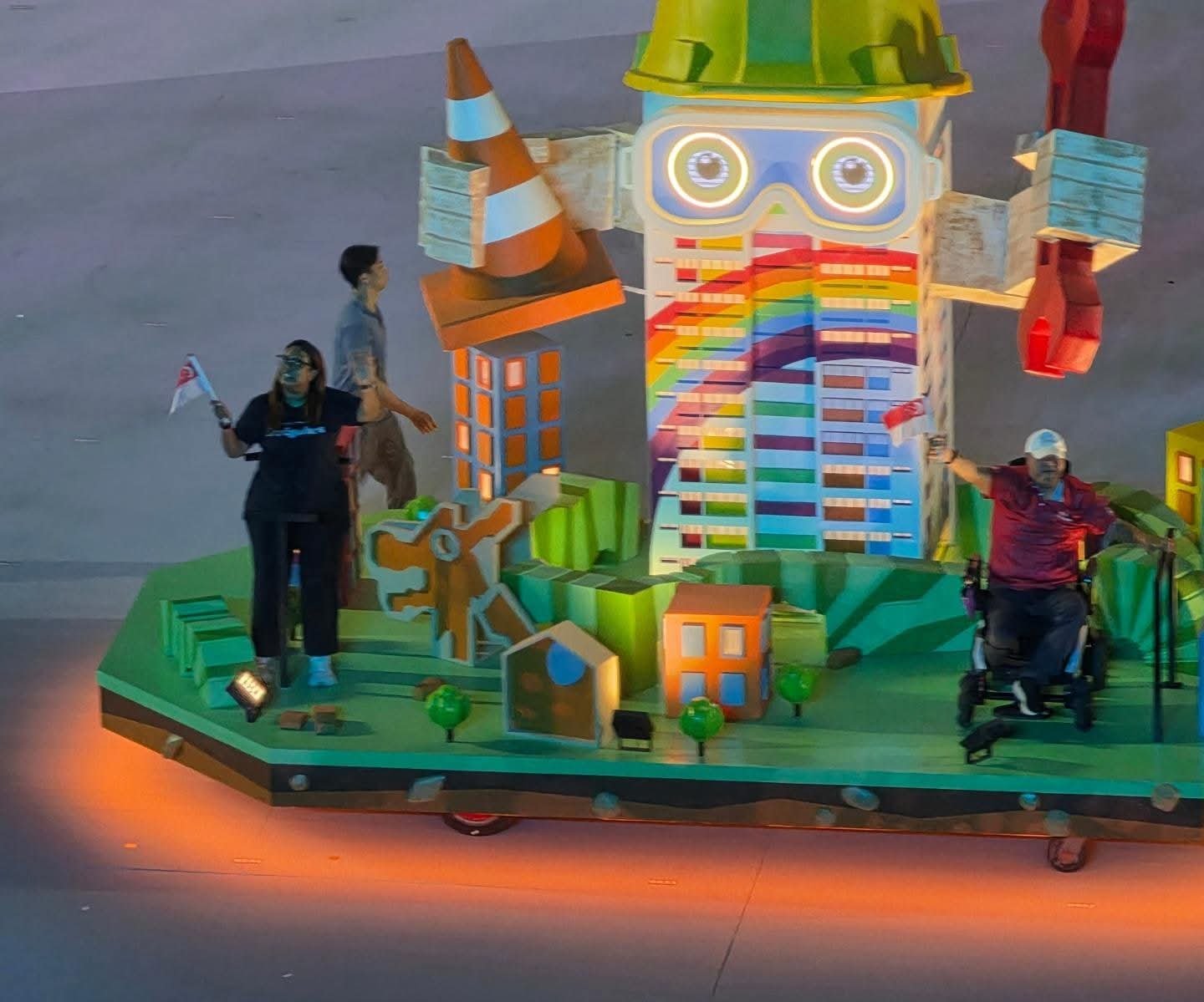
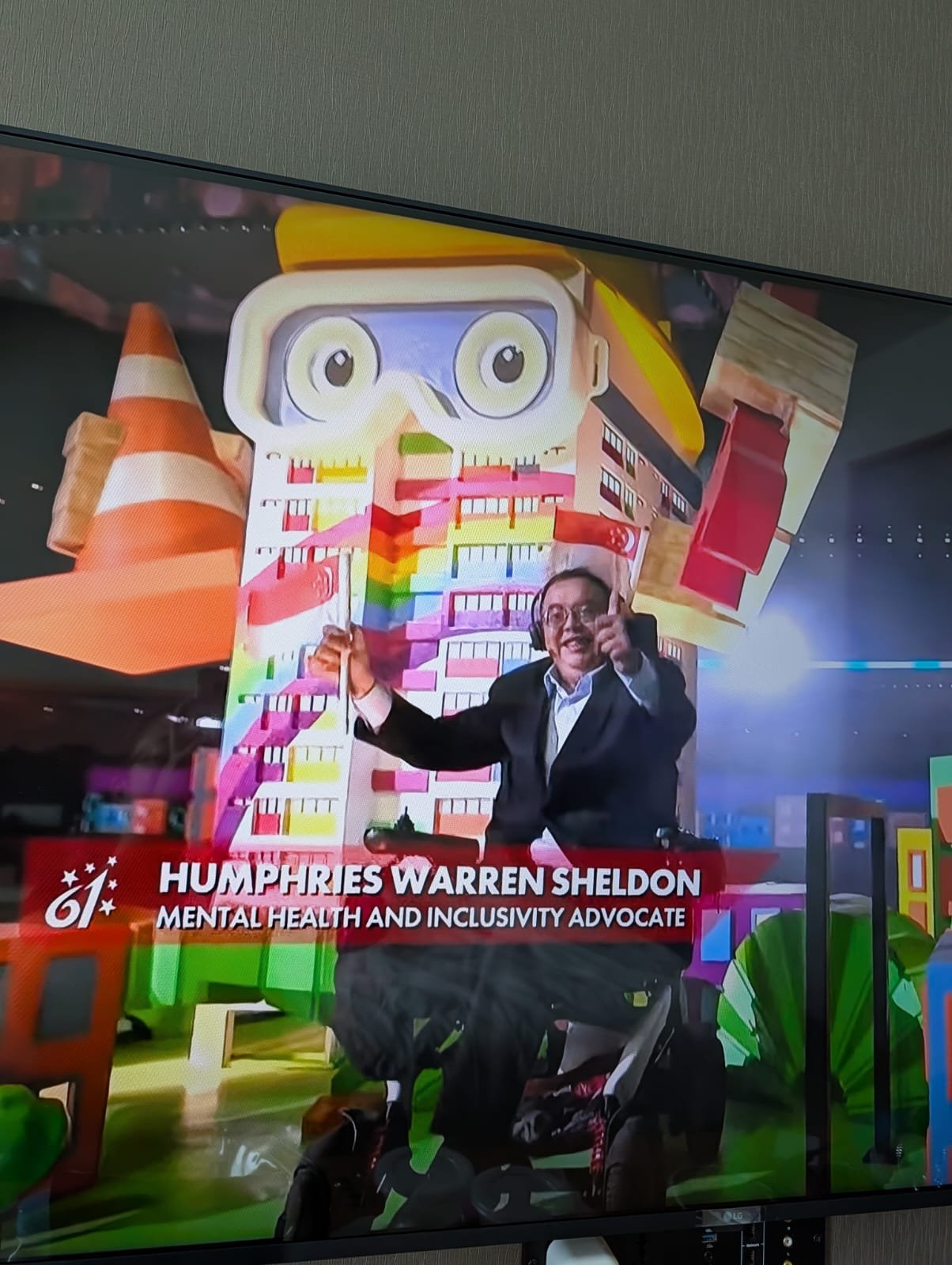
I was selected to participate in the 1st People’s Parade for Our 61st National Day, representing causes close to my heart: disability inclusion, mental health, caregiving, volunteerism and the belief that every person deserves the opportunity to contribute.
https://www.ndp.gov.sg/ndp-2026-at-national-stadium/the-peoples-parade
But I was also carrying another identity with enormous pride.
I am neurodivergent.
And I wanted to show that proudly.
Wearing Our Identity With Pride
Throughout my advocacy journey, I have learnt that representation is not simply about being present.
It is about being seen authentically.
At NDP61, I was not interested in hiding the different parts of who I am. I wanted to celebrate them.
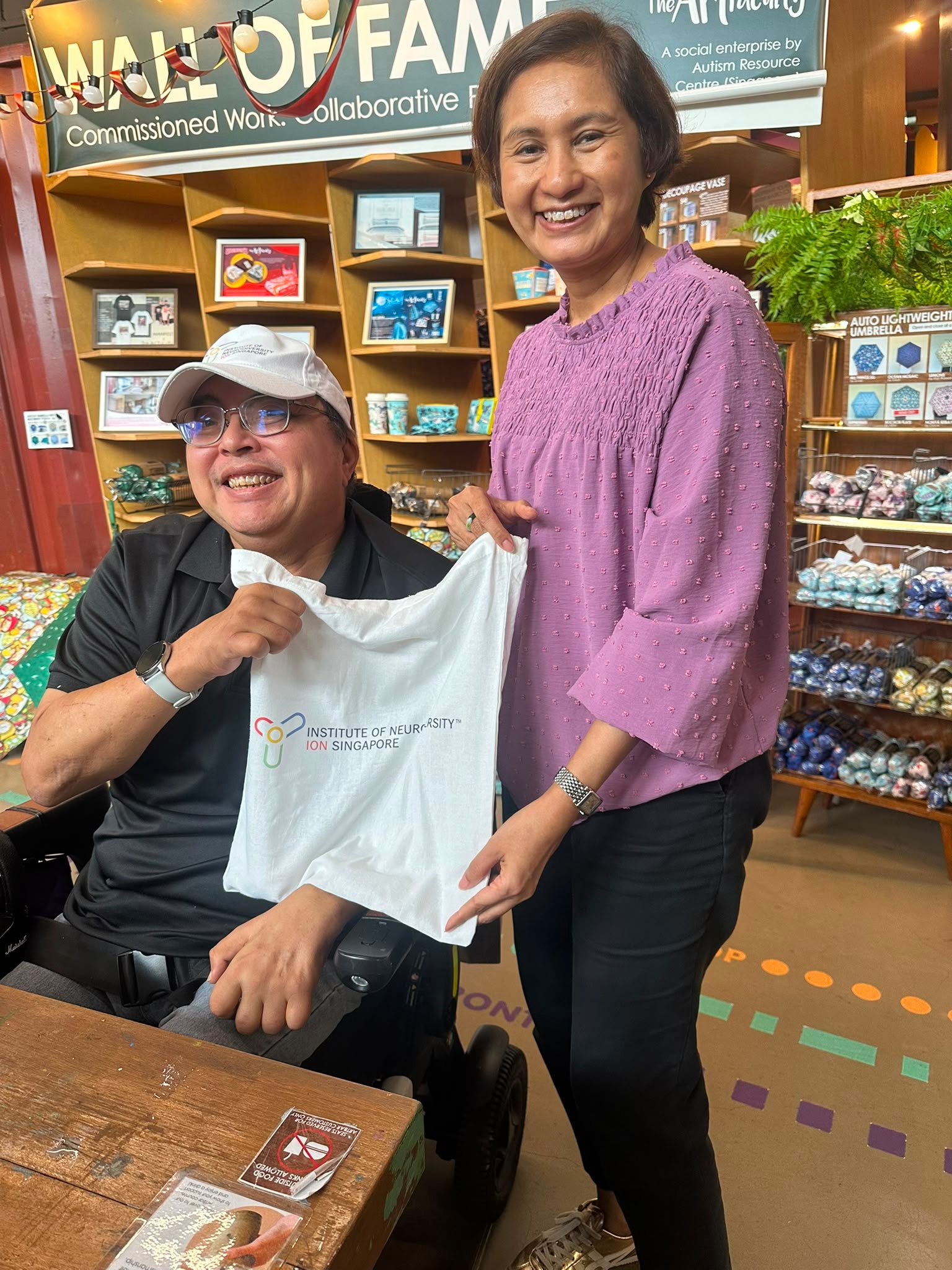
That included proudly wearing the white corporate cap of the Institute of Neurodiversity Singapore.
To some, it may have looked like just a cap.
To me, it represented something much bigger.
It represented a community of people whose minds may process, communicate, learn or experience the world differently , and a movement that says those differences should not automatically be treated as deficits.
The Institute of Neurodiversity Singapore believes in a society where neurominorities are understood, supported, celebrated and empowered to thrive.
Standing at one of Singapore’s most important national celebrations wearing that identity proudly was therefore deeply meaningful.
It was my small way of saying:
We are here. We belong. And we have something valuable to contribute.
I Wasn’t There Only as Sheldon
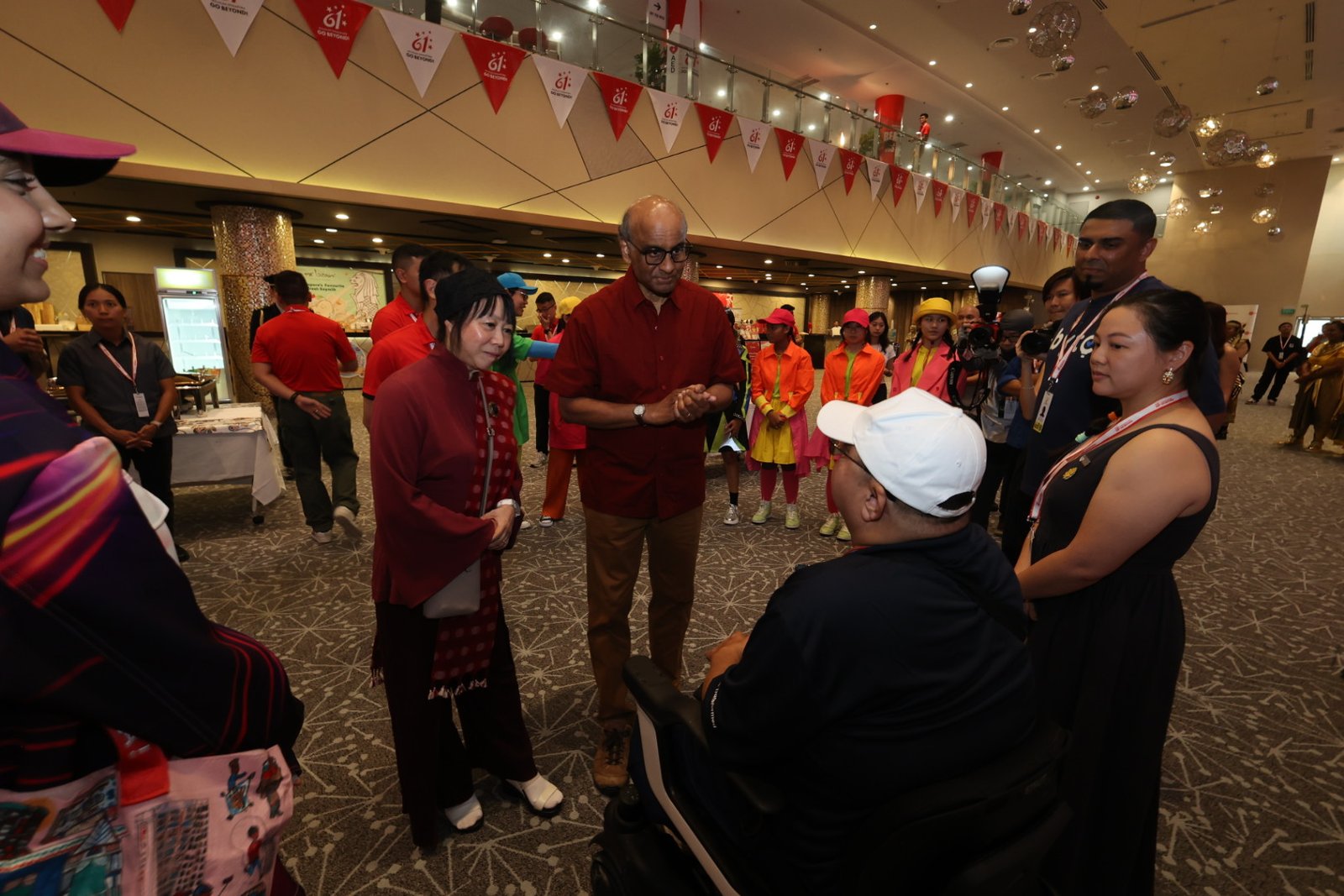
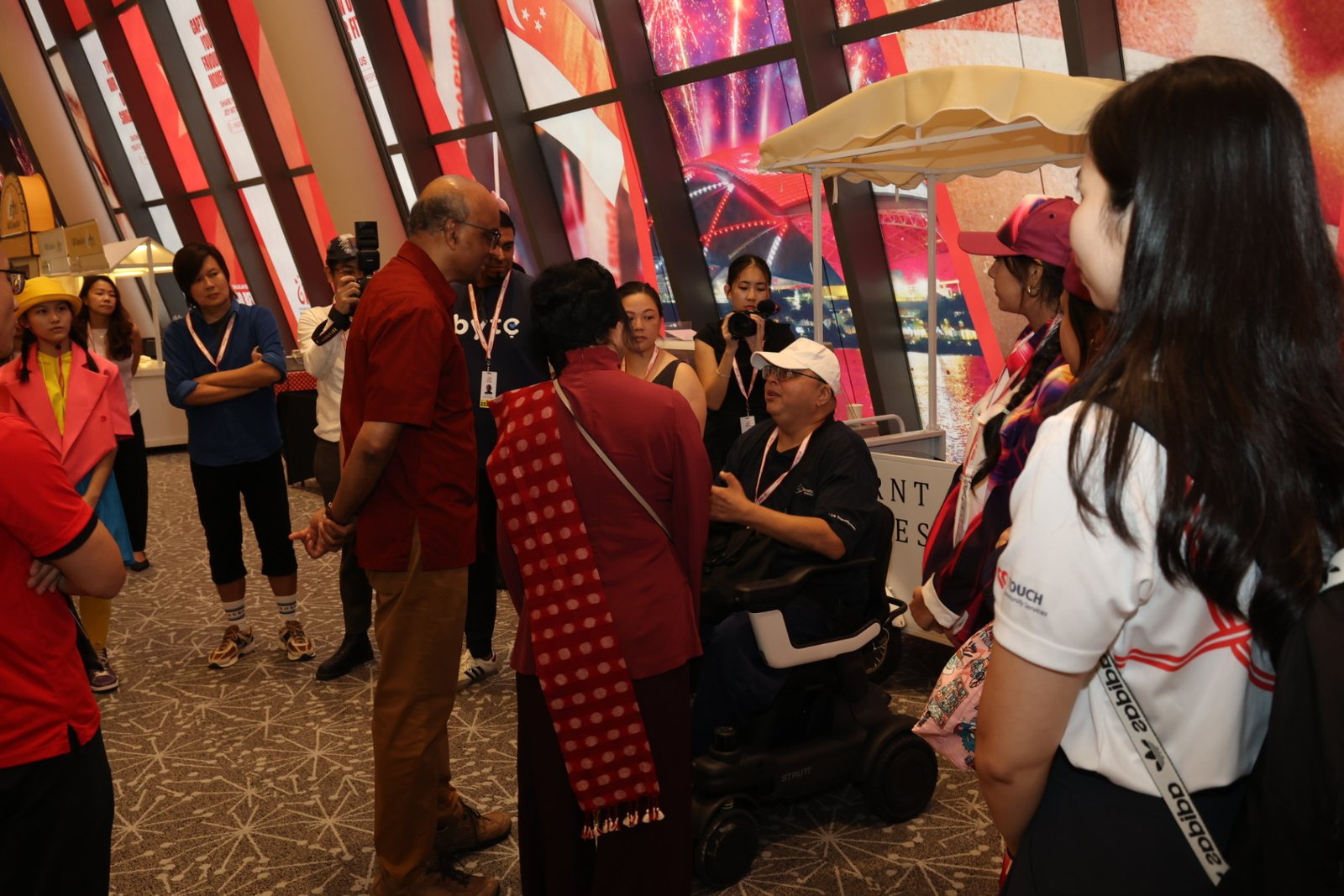
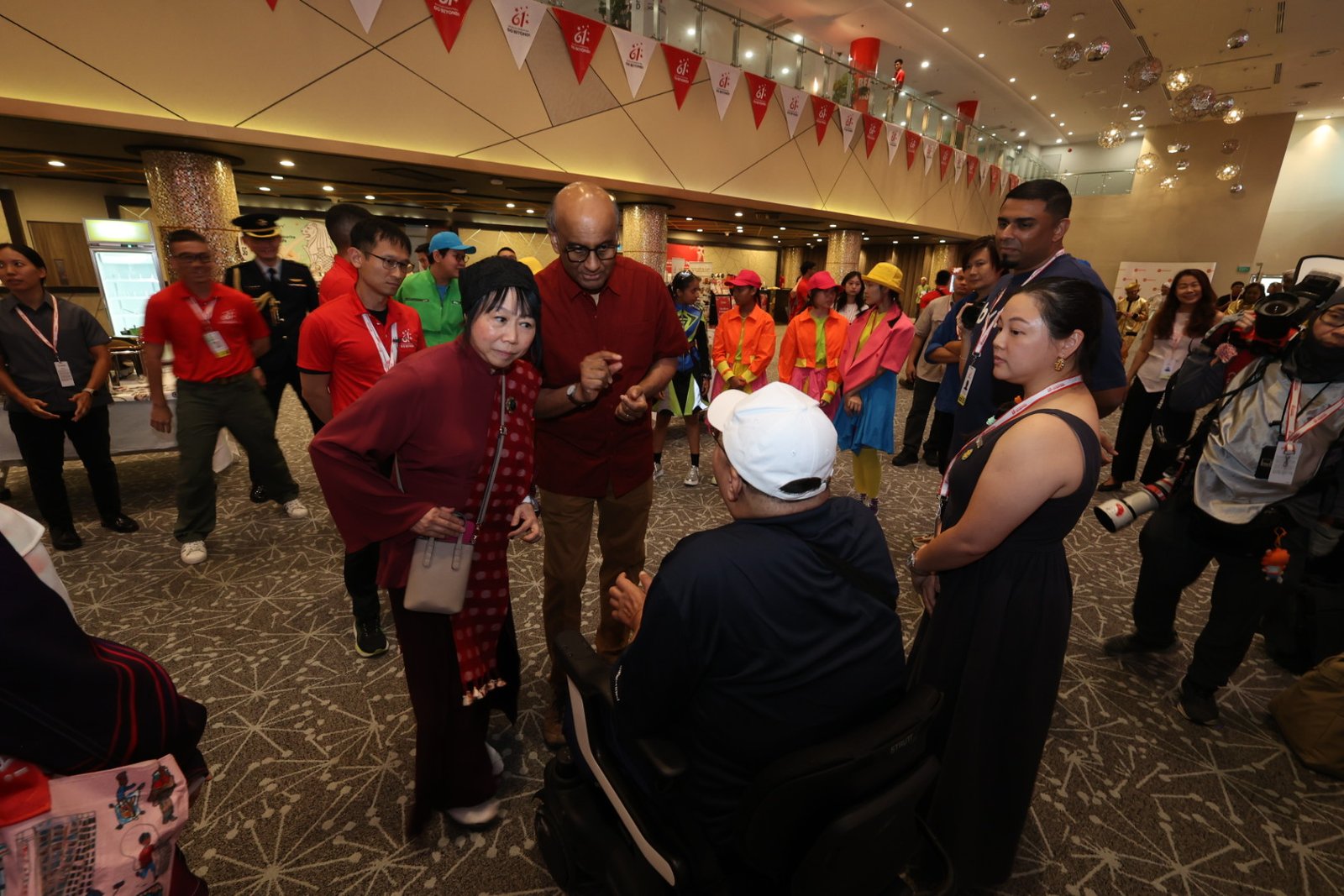
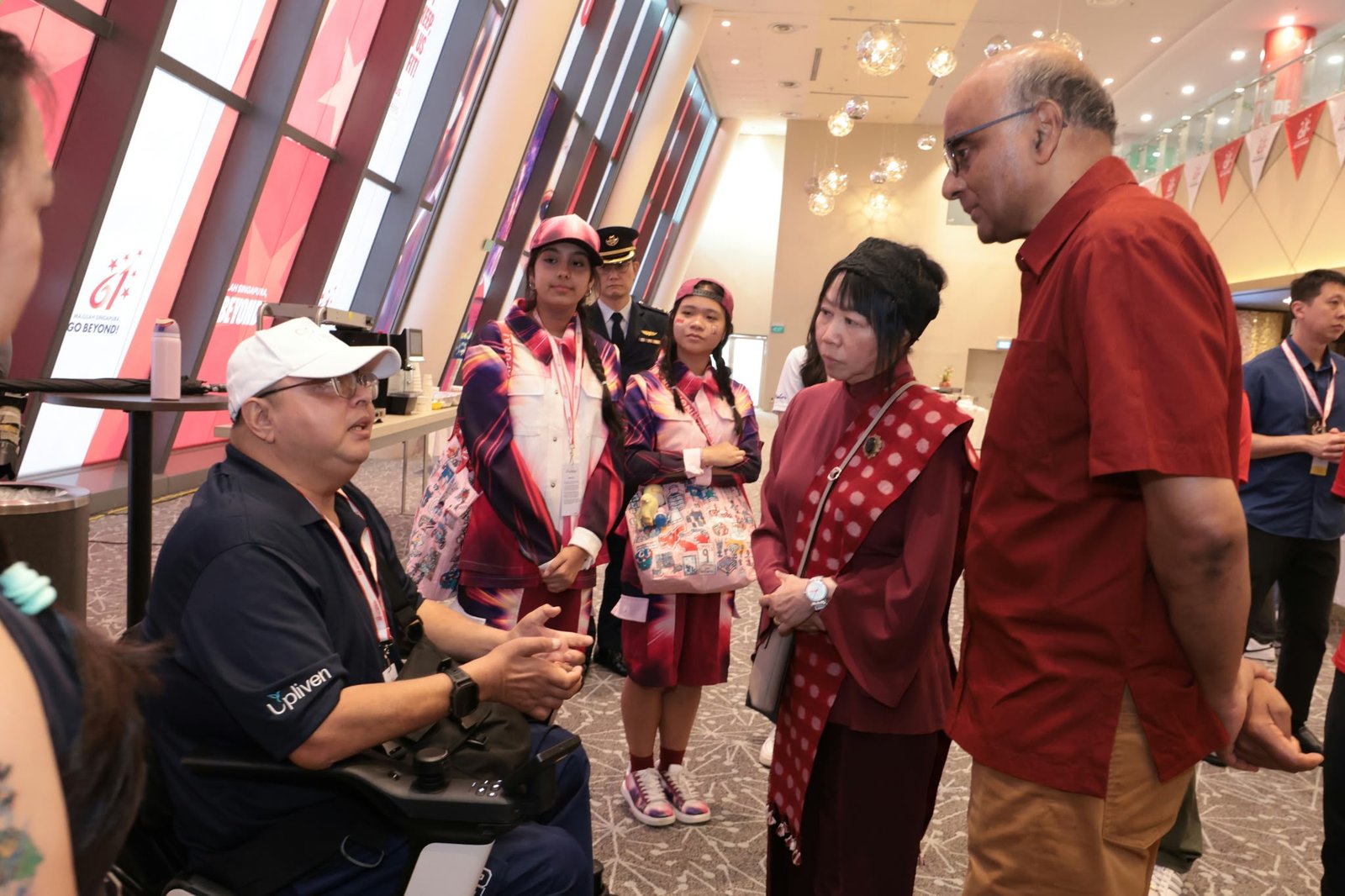
The greatest honour came when I was selected as one of three Peoples Parade participants to personally meet President Tharman Shanmugaratnam and First Lady Jane Ittogi.
That responsibility was not lost on me.
As I approached them, I wasn’t thinking only about myself.
I thought about persons with disabilities.
I thought about caregivers.
I thought about the neurodivergent community.
I thought about mental-health advocates and volunteers.
I thought about people who have been underestimated because they communicate differently, move differently, think differently or simply do not fit society’s conventional picture of what ability and success are supposed to look like.
I felt as though I was carrying a little piece of all their stories with me.
And Then Came the Fist Bump
Perhaps the most memorable part was also the most spontaneous.
Because of the condition affecting my hands, a conventional handshake can be difficult for me.
So rather than pretend otherwise, I did what felt natural.
I offered President Tharman a fist bump.
He accepted it.
And First Lady Jane wasn’t going to be left out , she joined in too!
That simple exchange became one of my proudest memories of NDP61.
It was warm. It was human. It was inclusive.
More importantly, there was something symbolic about it.
I did not have to change myself to fit the moment.
The moment adapted to include me.
And isn’t that what genuine inclusion should ultimately look like?
Inclusion does not mean forcing everyone to participate in exactly the same way. It means recognising that people may engage differently while ensuring that they receive the same dignity, respect and sense of belonging.
Differently Abled. Neurodivergent. Singaporean.
For years, I have advocated looking beyond labels.
I prefer to think of PWDs not merely as Persons with Disabilities, but as Persons with Determination.
The same principle applies to neurodiversity.
Being neurodivergent is not something I believe should automatically be hidden, apologised for or viewed only through the lens of limitation.
Different minds bring different perspectives.
Different experiences create different strengths.
And when society creates room for those differences, everyone benefits.
That is why this milestone mattered so much to me.
At NDP61, I could be a wheelchair user.
I could be differently abled.
I could be neurodivergent.
I could be an advocate.
I could proudly wear the ION Singapore cap.
And I could still stand , figuratively, in my case , alongside thousands of fellow Singaporeans and say:
This is my Singapore too.
Representation Creates Possibility
National Day is about celebrating who we are as a nation.
That must include Singaporeans whose journeys do not always fit neatly into traditional narratives of achievement.
Sometimes resilience looks like getting back up after falling.
Sometimes leadership comes from lived experience.
Sometimes advocacy begins because you know what exclusion feels like and decide that the next person should not have to experience the same thing.
And sometimes inclusion looks like something as wonderfully simple as the President and First Lady returning a fist bump.
The media coverage that followed described this as my “proudest moment”.
It certainly was.
But my pride wasn’t simply because I had met the President of Singapore.
I was proud because of who and what I was able to represent when I met him.
I went into NDP61 believing I had been invited to participate in a parade.
I came away realising that my journey — disability, neurodiversity, setbacks, advocacy, volunteering and all — had been given a place within our national story.
That is something I will carry with me for a very long time.
And if one neurodivergent young person, one PWD, one caregiver or one person who has ever wondered whether they truly belong sees that moment and thinks, “Maybe there is a place for me too,” then that fist bump meant far more than I could ever have imagined.
Because ultimately, inclusion isn’t about inviting people into a space and asking them to become like everyone else.
It is about creating a space where we can arrive as ourselves — and still know that we belong.
Every mind deserves to thrive. Every person deserves to belong.