
Climate change and sustainability are among the most complex challenges facing humanity. They require us to rethink how we live, work, build, consume and make decisions. They also require something that is sometimes overlooked: the value of human variation and the different ways in which people notice problems, understand systems and imagine what might be possible.
The Institute of Neurodiversity is therefore launching the ION Global Sustainability Leaders SIG, a new global group approved by the ION Global Board and Steering Group.
Gill Mulroe has been appointed by the Institute of Neurodiversity to lead this global initiative, with my support and the wider support of ION.
Gill brings more than 20 years of experience working in sustainability, as well as her own lived experience of ADHD and dyslexia. She left school without qualifications, was diagnosed with ADHD and dyslexia as an adult, and self-funded every stage of her career. Faced with knockbacks and barriers, she found ways forward and built a career dedicated to sustainability.
The SIG will create a global peer network bringing together sustainability leaders of different ages, backgrounds, cultures and career stages. It will have a particular focus on increasing the visibility, participation and leadership of individuals of minority neurotypes within sustainability, while welcoming others who share its purpose and can contribute to its work.
This reflects ION’s understanding of neurodiversity as encompassing all of humanity. Our neurological differences are part of human variation. At the same time, individuals of minority neurotypes can encounter particular barriers when systems have been designed around narrower assumptions about how people are expected to communicate, learn, work and lead.
Sustainability needs human variation.
Climate, biodiversity, energy, food, water, cities, technology, business, finance and social systems are deeply interconnected. Addressing them benefits from different perspectives and approaches, the willingness to question assumptions and the determination to turn ideas into meaningful change.
The ION Global Sustainability Leaders SIG will provide a place for people to connect across countries and disciplines, share experience, learn from one another and increase the visibility of work already taking place around the world.
A central purpose of the SIG will be to amplify the contribution of individuals of minority neurotypes to climate action and sustainability and to create opportunities for their experience, perspectives and leadership to help shape the wider sustainability agenda.
The SIG also reflects a wider principle within ION: individuals of minority neurotypes should not simply be studied, accommodated or consulted by the systems shaping our societies. They should participate in shaping those systems.
Gill is now looking to connect with sustainability leaders from all parts of the world who share this ambition and who have hands-on experience of programmes, projects, research, initiatives or other work that is making a tangible difference.
If you would like to participate in the ION Global Sustainability Leaders SIG, contribute to its work or find out more, please contact Gill Mulroe directly.
Under Gill’s leadership, and with the support of ION, the SIG will connect people across countries, generations and disciplines while providing a global platform for the contribution individuals of minority neurotypes are making to a more sustainable future.
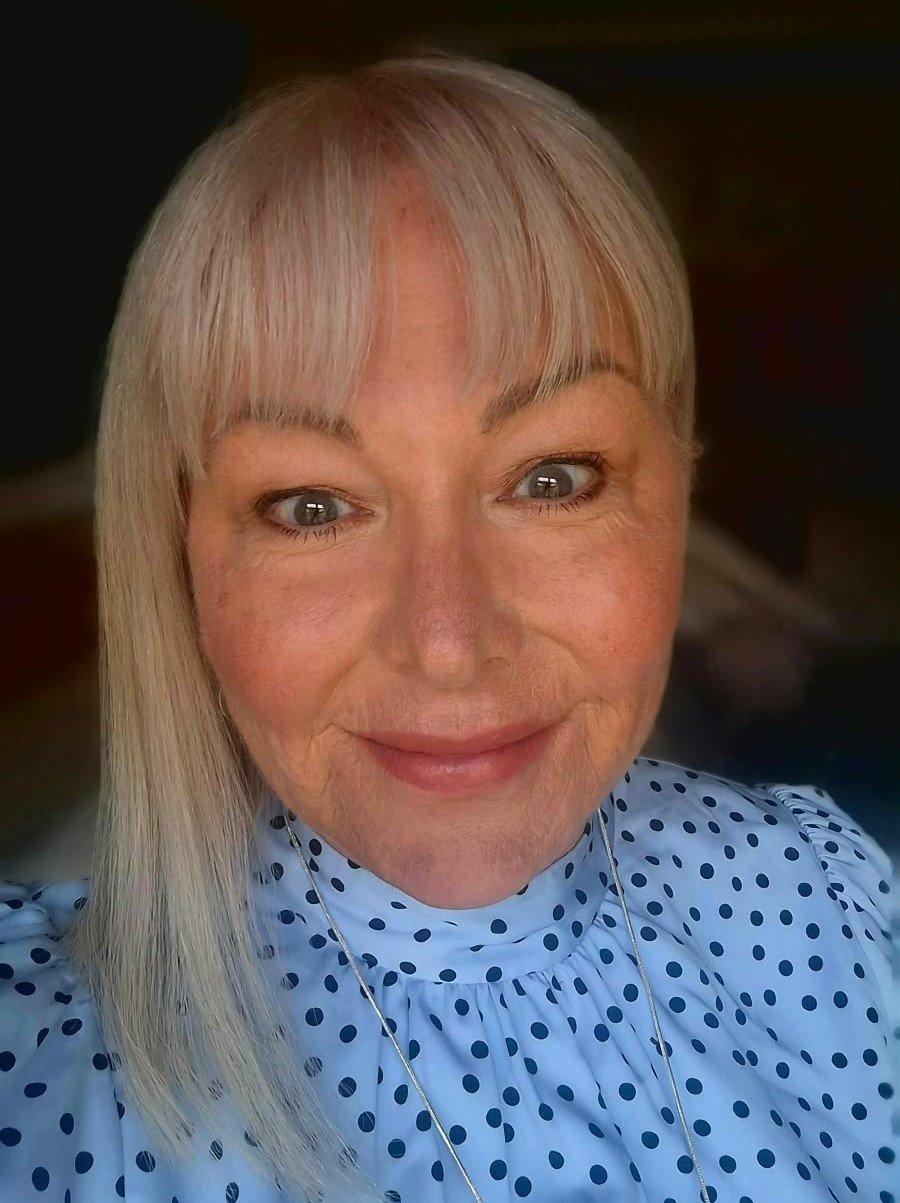
Introducing Gill Mulroe
Contact Gill via LinkedIn at Gill Mulroe FISEP CEnv FCMI CMgr FCIWM CRWM | LinkedIn