
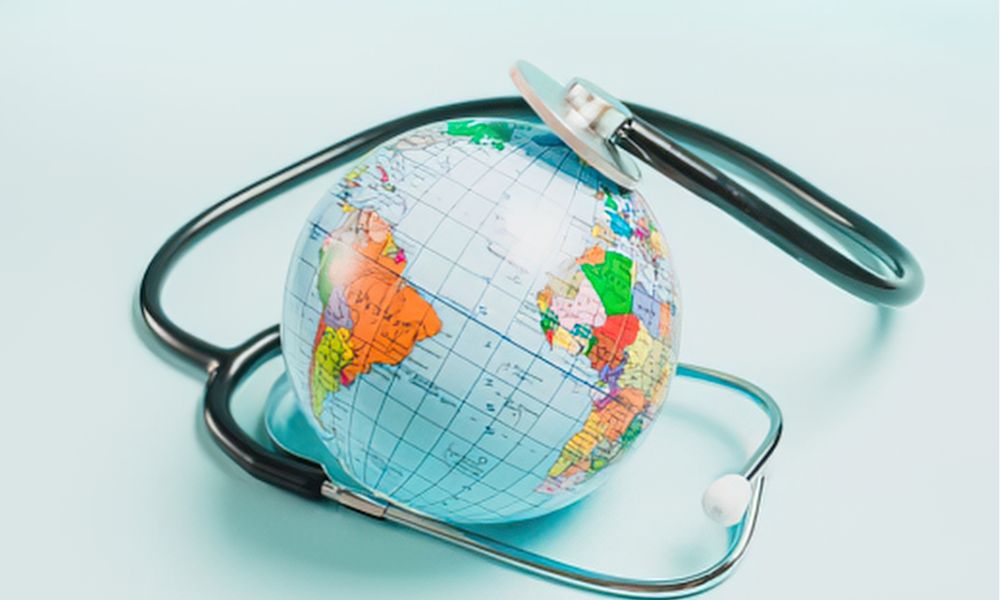
As World Health Assembly delegates gather in Geneva once again, I find myself reflecting on a different kind of global health question.
Not only: How do we treat disease? But also: What conditions help human beings thrive?
Over recent months, I have been immersed in designing and facilitating conversations about disability, neurodiversity, inclusion, and leadership. Again and again, one theme keeps emerging: many of the barriers people experience are not simply located within the individual. They are often embedded in the systems, assumptions, environments, and cultures around us.
That realization shifts something important. It moves us from deficit thinking to possibility thinking.
And possibility thinking changes the questions we ask.
Instead of:“What is wrong with this person?”
We begin asking:“What strengths are not yet being seen?” or“What conditions would allow this person to contribute fully?” and “What happens when systems are designed for human diversity rather than human conformity?”
This matters far beyond disability inclusion alone. Increasingly, the boundaries between mental health, physical health, cognition, belonging, and social participation are proving to be far more interconnected than we once imagined.
The evidence base is becoming impossible to ignore. Mental health conditions are associated with significantly increased risks of many noncommunicable diseases, while chronic physical health conditions can profoundly affect mental wellbeing in return. The relationship is not separate or secondary. It is deeply entangled.
We are beginning to understand that health is not merely biological. It is relational, social, neurological, environmental, and emotional.
Psychological safety affects cognitive performance. Chronic stress affects immune function. Loneliness affects mortality risk. Exclusion affects opportunity, confidence, and identity.
Belonging affects resilience.
And perhaps most importantly: human potential is highly contextual. A person can struggle in one environment and flourish in another.
That insight has profound implications for leadership, education, workplaces, healthcare systems, and public policy.
Too often, global conversations still frame disability or neurodivergence primarily through the lens of burden, accommodation, or limitation. Yet some of the most innovative thinking, pattern recognition, creativity, systems insight, persistence, and originality in our societies emerge from people whose minds or bodies do not conform neatly to standard expectations.
The challenge is not simply to “include” difference after the fact. We need to design environments where different ways of thinking, communicating, sensing, processing, and contributing are understood as part of human variation itself.
That’s where possibility thinking begins.
I’m not talking about naïve optimism or ignoring genuine challenges. But recognizing that support, dignity, flexibility, and understanding often unlock capacities that remain invisible under conditions of fear, overload, stigma, or exclusion.
As this year’s World Health Assembly approaches, this feels especially timely.
Global health systems are facing immense pressure: rising mental health needs, aging populations, workforce burnout, social fragmentation, technological disruption, and widening inequities. Yet alongside these pressures lies an opportunity to rethink what health leadership could look like in the decades ahead.
Perhaps the future of health is not only about extending life. Perhaps it is also about expanding human capability, participation, connection, and meaning. Perhaps the future of inclusion is not simply about protecting vulnerable groups. Perhaps it is about building societies intelligent enough to benefit from the full spectrum of human minds and experiences.
And perhaps the future of global health depends not only on reducing disease burden – but on creating the conditions in which more people can genuinely thrive.
That feels like a conversation worth having.
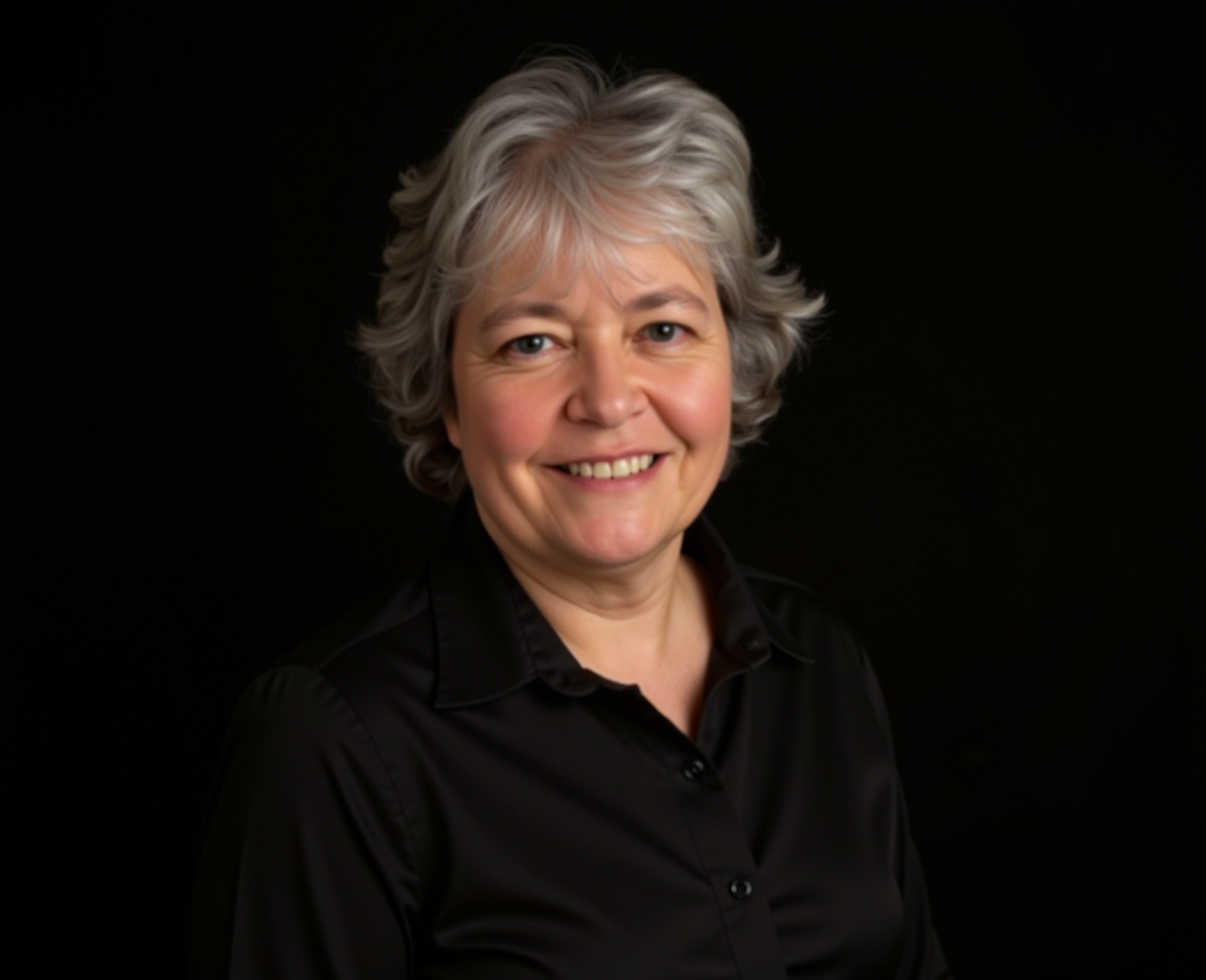
AUTHOR
Susan Mackay
With over 20 years of experience in empowering, coaching, and mobilizing for social change, Susan Mackay is a catalyst, coach, and changemaker who has worked in more than 40 countries to spark positive and meaningful change. Specialising in neurodiversity and inclusion, she is an internationally certified individual and Team Transformation Professional Coach and a certified facilitator in various methods, including LEGO® SERIOUS PLAY® and Human-Centered Design. Susan employs creative approaches to help individuals, families, and professional teams co-create their vision and action plans. Her rich cross-cultural experience includes senior roles at Gavi, the Vaccine Alliance, UNICEF, WHO, and the BBC, where she led impactful initiatives and built effective global partnerships.