
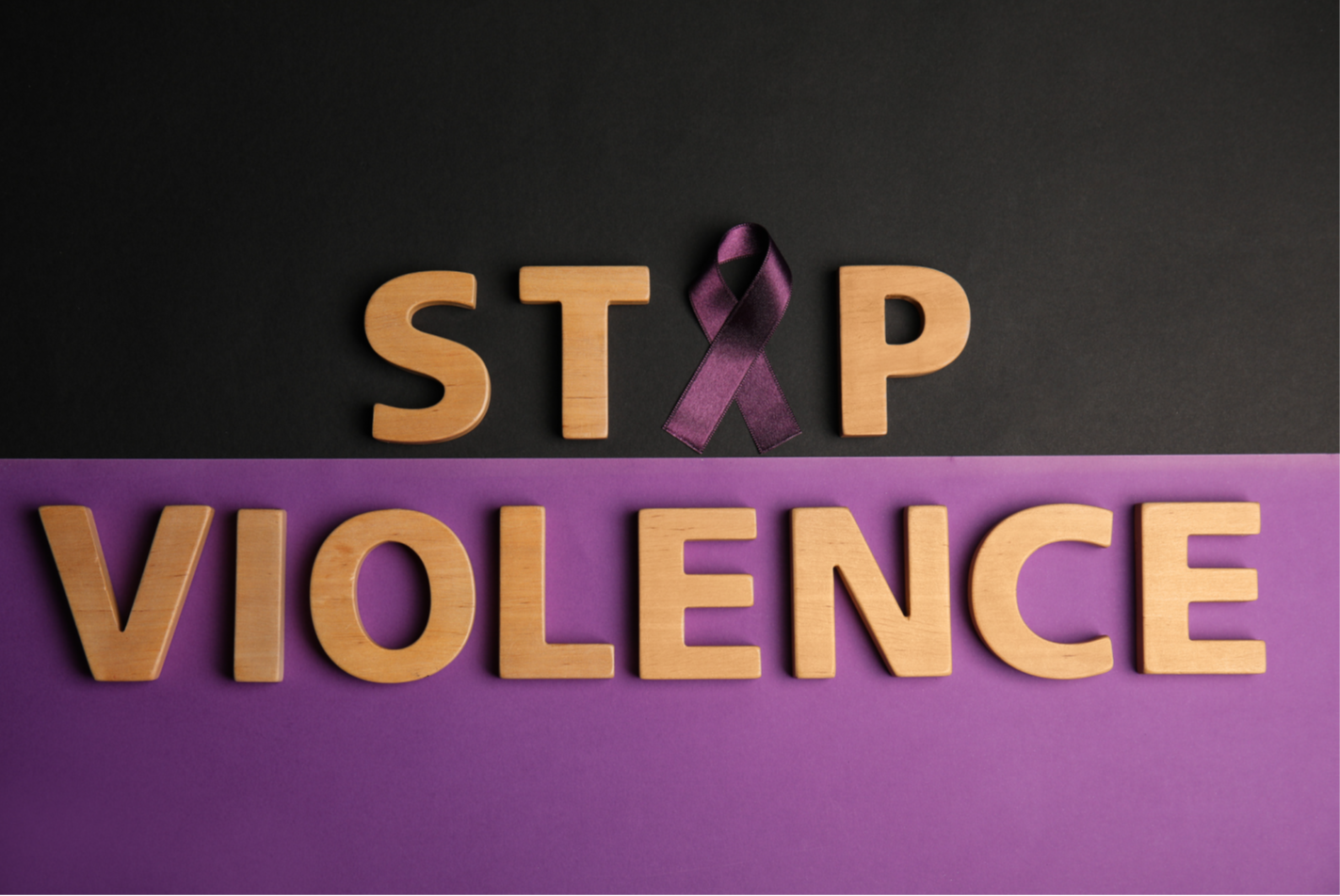
Being a woman in South Africa means navigating the uncertainties that impact our personal safety. It requires a constant awareness that stepping out alone at anytime of day requires your heightened vigilance, often leading to overwhelming anxiety. It involves understanding that sharing your location is crucial, regardless of where you are headed. It also highlights the appreciation of not having to rely on public transportation for daily travel to work or school is truly a blessing.
Living as a neurodivergent individual can feel like moving through a world that misinterprets, misunderstands, and overlooks differences.
To embody both identities places you at a critical crossroad, where you must choose between silence for perceived “safety” or embracing vulnerability and resilience. This reflection from the Global South serves as a powerful reminder to unite, support neurodivergent women, and convert awareness of gender-based violence (GBV) into meaningful action.
The Reality of GBV in South Africa
33.1% of South African women aged 18 and older have experienced physical violence at some point in their lives. Higher Education Resource Centre+1
For women living with disabilities, a group often marginalised and overlooked, the risk is even higher:
- 29.3% report lifetime physical abuse. Higher Education Resource Centre+1
- 14.6% report sexual violence by a partner. Higher Education Resource Centre+1
- 31.9% report emotional abuse. Higher Education Resource Centre+1
- 16.3% report economic abuse. SA News+1
- 60.0% report controlling behaviours by a partner at some point in their lives. SA News+1
“Women with disabilities are one of the poorest populations in the world,” said Dr Ingrid van der Heijden, a research consultant in inclusive sexual and reproductive health, during the webinar. “The risk of lifetime GBV for women with disabilities increases with the severity of their disability.”
These numbers represent more than just statistics; they are real women, mothers, sisters, daughters, and friends, whose lives are impacted by fear, strength, resilience, and sometimes silence.
The data highlights the urgent need for governments, professionals, and service providers to recognise women affected by gender-based violence (GBV) and ensure that women with disabilities are included in prevention strategies.
As noted by Chikunga (2024): “The high rates of violence experienced by women, particularly those with disabilities, call for immediate action.”These statistics reflect the realities faced by countless individuals. As the author emphasizes,“The findings of the study, which reveal that around 7,310,389 women aged 18 and older have endured physical violence in their lifetime, should serve as both a source of shame and a prompt for immediate action.”
- Rallying and Supporting Each OtherToday, women across South Africa are coming together:
- Advocating for safer communities, schools, and workplaces
- Supporting survivors with care, solidarity, and advocacy
- Raising their voices against systemic neglect and institutional barriers
- Mobilizing campaigns, resources, and policy changes
As a neurodivergent woman, I have experienced how being different can often be perceived as a weakness. However, when women unite, that vulnerability transforms into empathy, understanding, and commitment to advocacy.
This perspective reveals how GBV intersects with disability and neurodivergence. Inclusion, support, and solidarity are acts of compassionate justice, ensuring that everyone has the right to safety and dignity.
A Call to Action
From the Global South, I urge the global community to:
- Stand with women and neurodivergent survivors of GBV, not just in words, but in action
- Amplify the voices of those most vulnerable
- Hold organizations, leaders, and institutions accountable for creating safe, inclusive environments
- Rally globally, as solidarity must transcend borders to dismantle systemic violence
Lived Experience: My Lens on Vulnerability
In 2017, I survived a hijacking. The experience was violent, disorienting, and deeply unsettling, serving as a reminder that safety requires constant vigilance for women, especially those with disabilities, and that fear can persist long after the incident has taken place.
As a neurodivergent woman, I understand how being different can make someone more visible to harm yet invisible to protection. Subtle biases, systemic exclusion, and disbelief are forms of violence that often go unnoticed.
Even in workplaces that publicly support anti-violence initiatives, neurodivergent women frequently encounter:
- Subtle aggression and exclusion
- Labels of being “difficult” or “too sensitive”
- Dismissal of their ideas or contributions
- Fear of retaliation if they report harm
These experiences reflect the systemic challenges faced by GBV survivors: silence, fear, and a lack of accountability.
Intersectionality and Risk
Intersectionality is a lived reality:
Neurodivergent and disabled women encounter compounded vulnerability.
Social and economic dependence can heighten risk.
Misunderstanding makes it more challenging to access protection or justice.
As ION SA noted in their recent article on Disability Rights Month:
“When individuals are marginalized or misunderstood due to their differences, they become more vulnerable not just to exclusion, but to abuse and violence.” (LinkedIn, 2025)
This statement directly links neurodiversity and GBV highlighting invisibility or misunderstanding of difference increases exposure to harm.
Global Voices
Judy Singer reminds us:“Neurodiversity is a civil rights movement. It is about dignity, recognition, and the right to exist without being pathologized.”
As a neurodivergent woman, I have also faced subtle biases in professional environments. For example, an employer once shared with me, and I quote:“The reality is, I believe treating people differently only highlights and puts a spotlight on the fact that they are different, and for me, normalisation helps assimilation in our space. This environment is very demanding, unfortunately requiring high levels of delivery and accountability from all parties, which will often be questioned by people in leadership positions.”
This statement, while framed as “normalisation,” revealed a lack of recognition for difference and highlighted how subtle workplace practices can perpetuate exclusion, even in environments that claim to advocate for fairness. It reflects the systemic silencing and bias faced by survivors of GBV and neurodivergent women.
Also proving that inclusion, support, and solidarity are vital components of a compassionate justice system. It also emphasises that violence, exclusion, and silence cannot coexist with kindness, inclusion, and justice.
About the Author
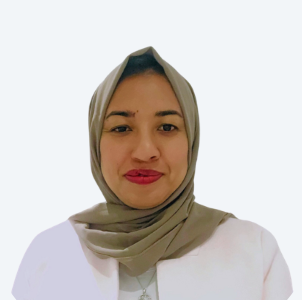
Alia Booley is a professional who was diagnosed with autism and ADHD later in life. With a background in technology, she is also a faith-based student and a passionate advocate for neuroinclusion. Currently, she holds the position of Country Lead for ION South Africa, where she champions the creation of learning environments that respect diversity and encourage thoughtful reflection.
